Scrap Happy: The Shanghai Kitchen Habit That Stretches Every Dollar at the Grocery Store
Here's something that might make you rethink the way you prep dinner tonight: in a traditional Shanghai home kitchen, almost nothing gets thrown in the trash. Not the celery leaves. Not the broccoli stems. Not the ginger peel or the scallion roots. Every bit of a vegetable has a purpose, and Shanghai cooks have been proving that for generations.
For a lot of American home cooks, the outer leaves of a cabbage head go straight into the compost. The tough stems of bok choy get snapped off and tossed. The feathery tops of carrots? Into the trash. It feels like responsible prep work. But from a Shanghai perspective, that's leaving a lot of flavor — and a lot of money — on the cutting board.
Let's talk about why this matters right now, and more importantly, how you can actually do it.
Resourcefulness as a Cooking Tradition
Shanghai's zero-waste kitchen culture didn't come from a sustainability trend or a meal prep influencer. It came from necessity. For decades, Shanghai home cooks — especially in the generations that shaped the city's culinary identity — operated with tight budgets and deep respect for ingredients. Wasting food wasn't just impractical. It was considered genuinely disrespectful to the effort that went into producing it.
That mindset created a whole set of techniques designed to extract maximum flavor and nutrition from every part of a vegetable. And here's the thing: those techniques aren't complicated. They're just habits. Habits that, once you pick them up, become second nature incredibly fast.
With grocery prices still running high across the US, there's never been a better moment to borrow a page from Shanghai's playbook.
The Scrap Stock You're Not Making (But Should Be)
If there's one technique that defines Shanghai's approach to vegetable scraps, it's the stock pot. Not a fancy, all-day affair — just a simple habit of keeping a bag or container in your freezer for odds and ends. Corn cobs, mushroom stems, the papery outer skins of onions, leek tops, wilted scallions, ginger knobs that have dried out — all of it goes into the bag. When the bag is full, you make stock.
Shanghai-style vegetable stock tends to be cleaner and more subtle than Western versions. The goal isn't a heavy, roasted flavor. It's a light, aromatic base that can anchor a quick soup, thin out a sauce, or add depth to a rice dish without overpowering anything. Simmer your scraps with a few slices of fresh ginger and a small piece of dried kombu for about 45 minutes, strain it, and you've got something genuinely useful.
That stock, by the way, costs you nothing. You were going to throw those scraps away.
Stems Are Not the Enemy
One of the biggest mindset shifts in Shanghai cooking is the way stems get treated. Broccoli stems, bok choy stalks, cauliflower cores — these are not waste. They're just a different texture than the florets, and texture is something Shanghai cuisine takes very seriously.
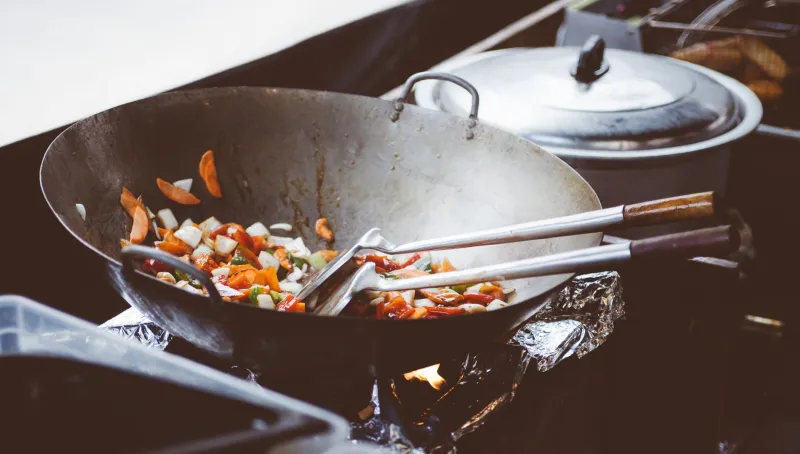
Peel the tough outer layer off a broccoli stem and you've got a crisp, mild vegetable that stir-fries beautifully. Slice it thin on a bias, toss it in a hot wok with a little soy sauce, garlic, and sesame oil, and it's done in under three minutes. Same goes for the thick base of bok choy — dice it small and add it early in the cooking process so it softens while the leafy tops stay bright and tender.
The trick is adjusting your knife work and your timing. Denser pieces go in first. Delicate leaves go in last. That's it. That's the whole technique.
Quick Pickles: The Shanghai Fridge Staple
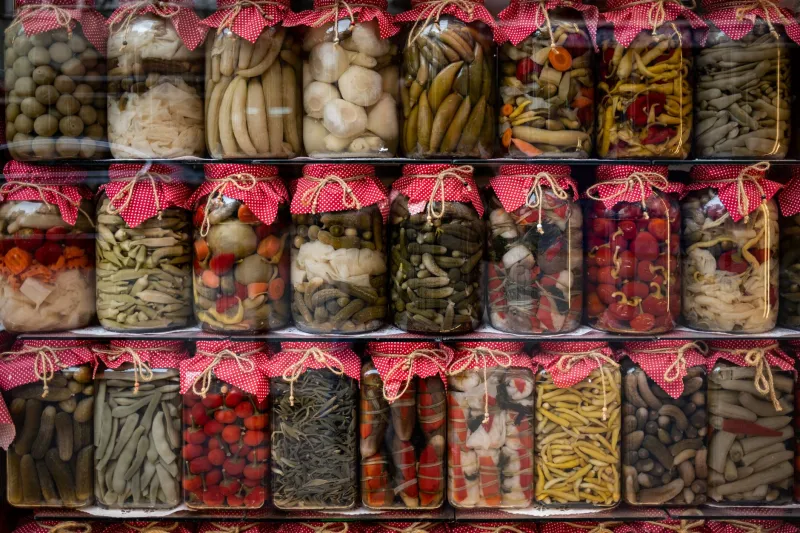
Another place Shanghai cooks put their scraps to work is in quick pickles. Cucumber ends, radish peels, the outer stalks of celery, thin cabbage leaves — these are all excellent candidates for a fast brine. A basic Shanghai-style pickle is nothing more than rice vinegar, a pinch of salt, a little sugar, and sometimes a dried chili or a few Sichuan peppercorns for a gentle tingle.
Pack your scraps into a jar, pour the brine over them while it's still warm, let it cool, and refrigerate. In a few hours you've got a bright, tangy side that cuts through rich dishes and adds a hit of acid to any meal. These pickles keep for a week or more in the fridge, and making them takes about ten minutes of actual effort.
In Shanghai, a small dish of pickled vegetables on the table isn't a garnish — it's a fundamental part of the meal. Once you get into the habit of making them, you'll wonder how you ever ate without them.
Leaves You're Probably Throwing Away
Carrot tops, beet greens, radish leaves, the dark outer leaves of romaine — these all have a place in a Shanghai-inspired kitchen. Carrot tops are slightly bitter and work well chopped fine and stirred into a sauce or used as an herb-like garnish. Beet greens and radish leaves wilt quickly in a hot pan with garlic and a splash of soy sauce, just like any other leafy green.
The key is treating them as ingredients rather than byproducts. That mental shift is really what Shanghai's approach is all about. When you start looking at a bunch of beets as two vegetables — the roots and the greens — instead of one, your cooking gets more interesting and your grocery haul goes further.
What This Looks Like in Practice
You don't have to overhaul your entire kitchen routine to start cooking this way. Start small. Keep a freezer bag for stock scraps. Try slicing and stir-frying your next broccoli stem instead of pitching it. Make a quick pickle with whatever's looking a little tired in your vegetable drawer.
These aren't grand gestures. They're small decisions that add up fast — both in terms of flavor and in terms of actual dollars saved. A family that's buying and then discarding a meaningful percentage of every vegetable they purchase is essentially paying more for less. Shanghai home cooks figured that out a long time ago.
The good news is that the techniques they developed to fix that problem are accessible, practical, and genuinely delicious. You don't need a culinary degree or a specialty grocery store. You just need to start looking at your cutting board scraps a little differently.
That shift in perspective? That's where the real cooking begins.