Funky, Complex, and Centuries Old: Why Shanghai's Fermented Pantry Belongs in Every American Kitchen
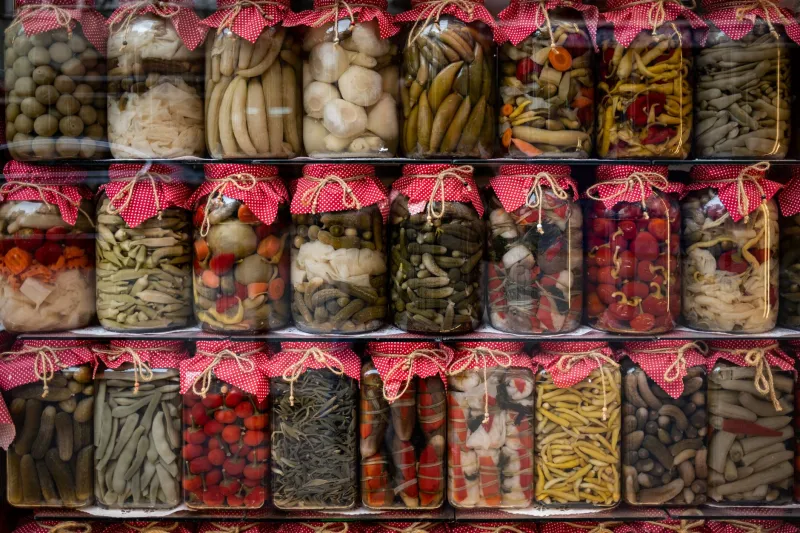
America is in the middle of a fermentation moment. Kombucha is at every checkout counter. Kimchi has its own dedicated refrigerator section at Whole Foods. Sourdough starters have been named, babied, and Instagrammed to death. And yet, somehow, one of the oldest and most sophisticated fermentation traditions in the world is still sitting on the sidelines of this conversation.
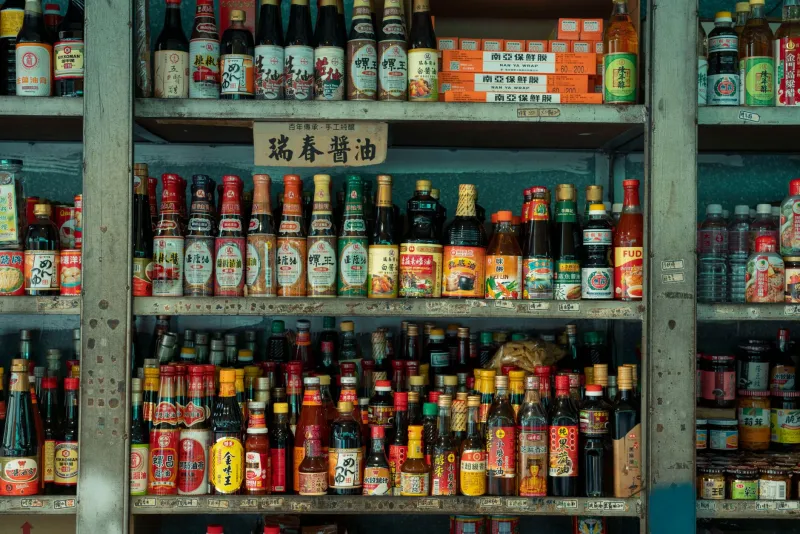
Shanghai's fermented pantry has been doing the heavy lifting in Chinese kitchens for centuries — long before anyone thought to slap the word "probiotic" on a label. These aren't trendy wellness products. They're practical, deeply flavorful staples that home cooks across the Yangtze Delta have relied on to stretch ingredients, preserve harvests, and build the kind of umami backbone that no powder packet can fake.
If you've been chasing complexity in your cooking and coming up short, this is probably what's been missing.
What Fermentation Actually Does (And Why Shanghai Got So Good at It)
At its core, fermentation is just controlled microbial activity. Bacteria, yeast, and molds break down sugars and proteins, producing acids, alcohols, and compounds that transform raw ingredients into something with depth, funk, and staying power. It's the same process behind your favorite craft beer, your aged parmesan, and the sourdough loaf you waited three days to slice.
Shanghai and the surrounding Jiangnan region developed fermentation traditions out of necessity. Winters were cold, summers were brutally humid, and an agricultural society needed ways to preserve vegetables, soybeans, and fish through seasons when fresh food wasn't available. What started as survival strategy became culinary artistry. The flavors that emerged from those clay pots and ceramic crocks became so essential that Shanghai cooks wouldn't dream of cooking without them — even now, when refrigeration makes preservation technically optional.
The result is a fermentation culture that prioritizes flavor above all else. Not tartness for its own sake. Not funk as a party trick. Real, usable, craveable complexity.
The Ingredients You Should Know
Doubanjiang (Fermented Bean Paste)
If you've eaten anything at a Sichuan restaurant and thought, what is that flavor, it was probably doubanjiang. Made from fermented broad beans and chilies, this paste is the kind of ingredient that changes everything it touches. Shanghai-style versions tend to be slightly milder than their Sichuan counterparts, but the principle is the same: a small spoonful dropped into hot oil blooms into something that tastes like it's been cooking for hours.
Think of it as the Chinese answer to tomato paste — a concentrated, fermented depth charge. Use it in braises, stir-fry sauces, marinades, or stirred into a simple noodle dressing. A jar costs about four dollars at any Asian grocery and lasts for months in the fridge.
Suancai (Pickled Mustard Greens)
This is Shanghai's version of sauerkraut, except it's been around longer and, honestly, it's more interesting. Suancai is made by fermenting mustard greens in salt brine until they develop a sharp, slightly sour, pleasantly funky flavor that cuts through rich dishes like a knife.
In Shanghai, suancai shows up in fish braises, pork noodle soups, and fried rice. In your kitchen, it can do the same work that pickled jalapeños or capers do — adding brightness and acid to balance heavy, fatty dishes. Find it canned or vacuum-sealed at Asian supermarkets, or make your own with nothing more than mustard greens, salt, and a week of patience.
Shaoxing Wine (Fermented Rice Wine)
Technically an alcohol, but functionally a fermented flavor builder. Shaoxing wine is made from glutinous rice and has been produced in the region near Shanghai for over two thousand years. It's the secret behind the caramel-adjacent depth in red-braised pork, the reason Shanghai-style dumplings have that slightly sweet, complex filling, and the ingredient that makes a simple stir-fry taste like it came from a restaurant.
Don't substitute dry sherry unless you absolutely have to. The real thing is cheap, widely available, and irreplaceable.
Douchi (Fermented Black Beans)
These small, intensely savory black beans are fermented with salt until they develop a concentrated, almost meaty flavor. They're one of the oldest fermented foods in China — records of douchi production go back over two thousand years — and they punch way above their weight in the kitchen.
A tablespoon of roughly chopped douchi added to a stir-fry sauce or steamed fish dish creates an umami depth that's completely distinct from soy sauce or any other condiment. They're also a great conversation starter: tell your dinner guests there are fermented black beans in the dish and watch their curiosity override any hesitation.
Fermentation and Food Waste: A Natural Partnership
Here's the part that should appeal to every home cook who's watched vegetables go soft in the crisper drawer: fermentation is one of the most effective food waste reduction strategies ever invented.
Shanghai home cooks have always understood that a slightly wilted napa cabbage isn't a loss — it's a fermentation opportunity. Mustard greens past their prime? Salt them and let them sit. Extra ginger? Slice it thin and pickle it with rice vinegar. The fermentation mindset reframes "almost past it" as "ready to transform."
In a country where roughly 30 to 40 percent of the food supply ends up in landfills, there's something genuinely revolutionary about a cooking culture that built its flavor system around preservation rather than disposal.
A Simple Starting Point: Quick-Pickled Cabbage, Shanghai Style
If you want to dip your toe into Shanghai-style fermentation without committing to a weeks-long project, start here. This quick pickle takes about fifteen minutes of active work and is ready to eat in 24 hours.
What you need:
- Half a head of napa cabbage, roughly chopped
- 1.5 teaspoons salt
- 1 tablespoon rice vinegar
- 1 teaspoon sesame oil
- 1 teaspoon sugar
- Optional: a few slices of fresh ginger, a dried chili or two
What you do: Toss the cabbage with salt and let it sit for 30 minutes. Squeeze out as much liquid as you can with your hands — seriously, really squeeze. Toss with the vinegar, sesame oil, sugar, and any optional additions. Pack into a clean jar and refrigerate. In 24 hours, you have something bright, crunchy, and deeply satisfying that works alongside rice, tucked into sandwiches, or eaten straight from the jar at midnight. No judgment.
Why This Matters Right Now
American cooking is hungry for shortcuts that don't sacrifice soul. Fermented Shanghai pantry staples offer exactly that — they're the original flavor concentrates, built by time and biology rather than a food scientist's lab. They're also, increasingly, available. Most major cities have at least one Asian grocery where you can find doubanjiang, douchi, and suancai without any trouble. Online retailers stock them all.
The fermentation revolution that American food culture is currently celebrating has deep roots in places like Shanghai, where home cooks figured out centuries ago what we're only now rediscovering: the best flavors are the ones that take time to develop. The good news is, someone already did the waiting for you.