Not All Soy Sauce Is Created Equal: The Shanghai Guide to Cooking's Most Misunderstood Ingredient
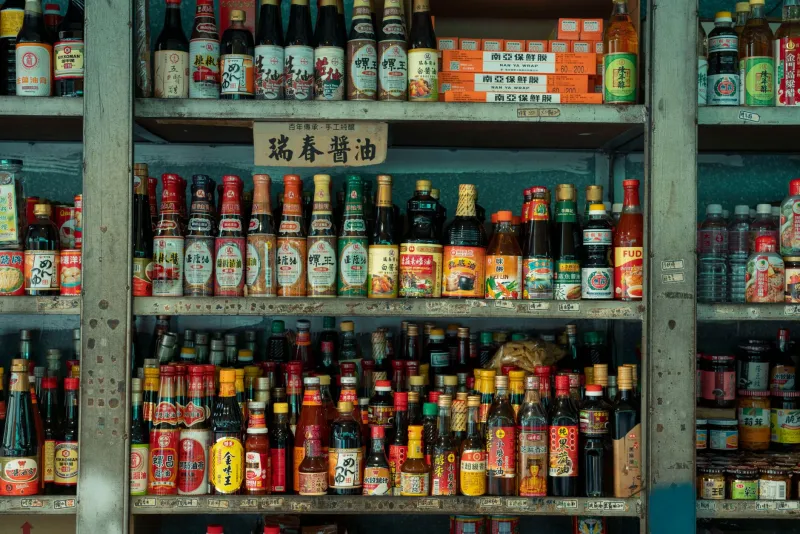
Walk into any kitchen in Shanghai and you'll find at least two or three different bottles of soy sauce lined up near the stove. Not because Shanghai home cooks are hoarders. Because they know something that most American kitchens haven't quite figured out yet: soy sauce isn't a single ingredient. It's a whole category, and using the wrong one is like seasoning a steak with powdered sugar and calling it salt.
For decades, American grocery stores have sold a single narrative — soy sauce is soy sauce. One bottle, one flavor, done. But in Shanghai cooking, that idea gets thrown out the window fast. The difference between a flat stir-fry and one that makes you close your eyes and exhale slowly? A lot of the time, it comes down to which soy sauce you reached for.
The Big Three You Actually Need to Know
Let's break it down simply, because it really isn't that complicated once someone explains it properly.
Light soy sauce (生抽, shēng chōu) is the workhorse. It's thinner, saltier, and brighter in color than what most Americans picture when they think "soy sauce." This is what you use for seasoning during cooking, for dipping sauces, and for marinades where you want the soy flavor front and center without muddying the color of the dish. Shanghai cold dishes — those silky sliced pork belly appetizers, the cucumber smashed salads — lean heavily on light soy. It delivers clean, sharp umami without weighing anything down.
Dark soy sauce (老抽, lǎo chōu) is a different animal entirely. Aged longer, thicker in consistency, and noticeably less salty, dark soy is less about flavor and more about transformation. A few drops of dark soy turn a braise a deep mahogany brown, give a wok-fried noodle dish that gorgeous lacquered color, and add a subtle caramel richness that you can't fake with anything else. Shanghai's iconic red-braised pork belly — hong shao rou — gets its stunning color almost entirely from dark soy. Without it, you just have pork. With it, you have something worth writing home about.
Aged superior soy sauce is where things get genuinely exciting. Think of it like the aged balsamic of the soy world — complex, slightly sweet, with layers of flavor that have had years to develop. In Shanghai, a drizzle of good aged soy over a bowl of plain rice or silken tofu is considered a complete dish. It's not a cooking ingredient so much as a finishing one, and using it that way changes everything.
Why Your Supermarket Bottle Falls Short
Here's the uncomfortable truth. The big-name soy sauce brands that dominate American grocery store shelves are fine for what they are, but they're essentially a compromise product — a middle-ground liquid designed to approximate soy flavor for a market that wasn't asking too many questions. They tend to be high in sodium, lower in complexity, and produced at a speed that doesn't allow for the kind of fermentation and aging that makes Chinese soy sauce genuinely great.
Authentic Shanghai-style soy sauces are fermented from soybeans and wheat using traditional methods that take months, sometimes years. The microbial activity during that process builds flavor compounds that you simply cannot rush. When you cook with the real thing, you're tasting history in a way — centuries of refinement packed into a small amber bottle.
The good news is that access has never been better. Chinese grocery stores across the US carry excellent options — brands like Pearl River Bridge, Lee Kum Kee's premium lines, and Wan Ja Shan are solid starting points widely available in Asian supermarkets and increasingly on Amazon. If you live near a larger city with a Chinatown, even better. Spend a little time browsing and you'll find options at price points that won't break the bank.
Using the Right Soy Sauce Like a Shanghai Cook
Once you have the right bottles, the way you use them matters just as much as which ones you buy.
Light soy goes in early or in cold preparations. It's your seasoning salt, your vinaigrette base, your dipping sauce foundation. When a Shanghai recipe says "soy sauce" without specifying, it almost always means light.
Dark soy goes in carefully and sparingly. A teaspoon or two in a braise, a small splash in fried rice for color. Because it's less salty, it won't blow out your dish the way light soy would in the same quantity — but it will stain everything it touches, which is exactly the point when you're building color in a dish.
Aged or premium soy sauce gets treated with respect. Don't cook it. Drizzle it. Add it at the end of a dish, use it as a condiment, pour it over cold noodles or steamed fish. Heat destroys the subtle top notes that make it worth paying more for.
A Quick Experiment Worth Trying This Weekend
If you want to feel the difference immediately, try this. Make a simple dipping sauce twice — once with whatever soy sauce you currently have in your cabinet, and once with a good quality light soy sauce. Mix each with a little rice vinegar, a drop of sesame oil, and some thinly sliced scallion. Taste them side by side with a plain dumpling or a piece of steamed chicken.
The difference is not subtle. The authentic light soy version will taste cleaner, more complex, and somehow more alive. That's not marketing. That's just what proper fermentation does.
Shanghai's food culture has always understood that great cooking starts before the heat goes on — it starts in the pantry, with ingredients that have been made with care. Swapping out your soy sauce is one of the smallest changes you can make in your kitchen, and one of the most immediately rewarding. Your stir-fries will thank you. Your braises will thank you. Honestly, everyone eating at your table will thank you.