The Art of Cooking Without a Script: What Shanghai Kitchens Know About Instinct
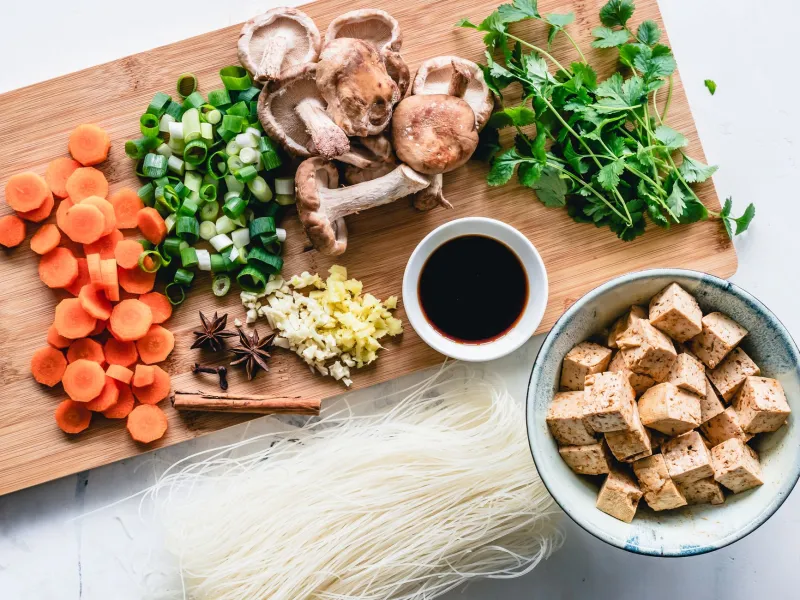
Walk into a serious culinary school in the United States and you will hear the phrase mise en place repeated like a mantra. Everything in its place. Garlic minced. Aromatics sorted into little ramekins. Sauce pre-measured and standing by. The idea is control — that a cook who preps in advance is a cook who doesn't panic when the heat is on.
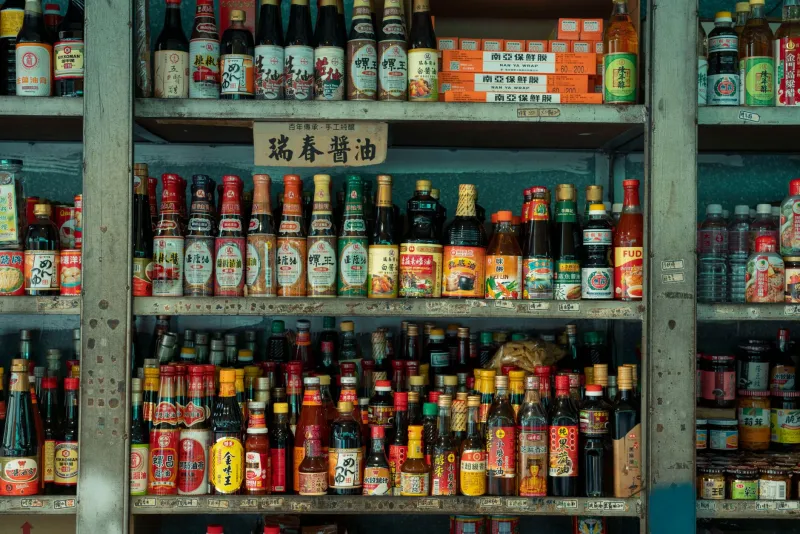
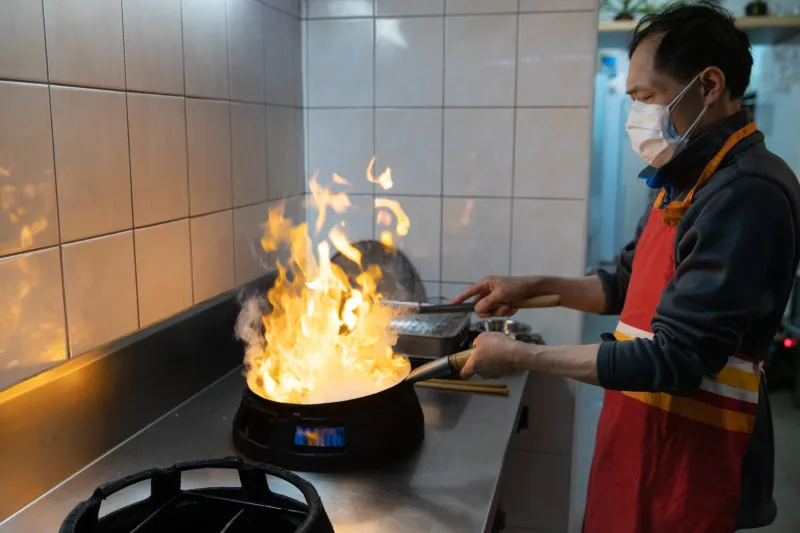
Then walk into a Shanghai home kitchen, or a busy lane-side restaurant in the old city, and watch what actually happens. The ginger gets smashed on the cutting board two seconds before it hits the wok. The scallions are still being sliced while the oil shimmers. A cook reaches into a jar of fermented black beans by feel, not by teaspoon. And somehow — somehow — the food that comes out of that apparent disorder is deeply, almost aggressively delicious.
So who's right?
Mise en Place Was Built for a Different Kitchen
The French doctrine of mise en place made perfect sense in the context where it was invented: high-volume European restaurant kitchens where multiple cooks are running parallel stations, timing needs to be surgical, and a misstep in prep can derail an entire service. In that world, pre-portioning everything is less about philosophy and more about survival.
But Shanghai cooking didn't develop inside that framework. It developed in home kitchens with single burners, in street stalls where one person is doing everything at once, and in restaurant back-rooms where speed and adaptability matter more than textbook precision. The cooking traditions that emerged from those environments were built around a different kind of intelligence — not the intelligence of pre-planning, but the intelligence of reading what's in front of you.
Shanghai cooks learn to assess ingredients in real time. Is the bok choy particularly tender today? Cut it thicker so it doesn't dissolve. Is the pork belly fattier than usual? Adjust the braising liquid. Is the soy sauce you grabbed off the shelf a little saltier than the last bottle? Hold back on the seasoning. These aren't corrections to a plan — they're the plan itself.
What "Winging It" Actually Requires
Here's the thing that gets lost when Westerners observe this style of cooking: it only looks like improvisation. What it actually requires is an almost encyclopedic knowledge of how ingredients behave under heat, how flavors interact at different stages of cooking, and how timing shifts based on variables that no recipe can fully account for.
A Shanghai cook who slices ginger while the oil heats isn't being careless. They're operating from such deep familiarity with their ingredients that they know exactly how much time they have. They've cooked with that wok, in that kitchen, with roughly those ingredients, hundreds or thousands of times. The "chaos" is built on a foundation of accumulated knowledge so solid it doesn't need to be written down.
This is actually closer to how jazz musicians play than how music students practice scales. The improvisation is real, but it's grounded in total command of the underlying structure. You can only riff confidently when you know the rules well enough to bend them.
The Freshness Advantage Nobody Talks About
There's a practical argument for Shanghai's approach that goes beyond philosophy: ingredients taste better when they're handled at the last possible moment.
Garlic that gets minced and sits in a bowl for thirty minutes before cooking has already started oxidizing. The volatile compounds that give it that sharp, bright punch begin to degrade almost immediately once the cell walls are broken. Same with ginger. Same with scallions. Same with fresh chilies. The aromatic backbone of Shanghai cooking — the trinity of ginger, scallion, and garlic that shows up in dish after dish — is most potent when it goes from cutting board to wok with almost no lag time.
Pre-prepping those ingredients, as tidy as it looks, is actually sacrificing flavor for the comfort of feeling organized. Shanghai cooks, consciously or not, have optimized for the food rather than for the cook's sense of control.
How American Home Cooks Can Actually Use This
Now, before you throw out your prep bowls entirely, let's be honest: there's a middle path here that makes a lot of sense for home cooks in the US who are still building their intuition.
The goal isn't to recreate the chaos — it's to understand what the chaos is actually doing, and to start loosening your grip on the script in ways that are proportional to your skill level.
Start with aromatics. Commit to always cutting your ginger, garlic, and scallions fresh, right before they go into the pan. This is the single highest-impact change you can make. Everything else can still be pre-prepped if that helps you stay calm.
Cook the same dishes repeatedly. The reason Shanghai cooks can improvise is because they've made red-braised pork belly or stir-fried water spinach so many times that the muscle memory is deep. Pick three or four Shanghai dishes and make them weekly. You'll start to feel when the oil is ready, when the aromatics have bloomed enough, when the sauce needs more balance — without measuring anything.
Taste constantly. Western cooking often treats tasting as a final step. Shanghai cooking treats it as a continuous process. The dish is a conversation, not a formula, and you can't follow a conversation if you're only listening at the end.
Let the ingredient lead. Before you start cooking, actually look at what you have. Is the protein you're working with thicker than usual? Adjust your heat and timing. Does the vegetable look more mature and fibrous? It might want a splash of water and a lid. This is the beginning of cooking intuitively rather than mechanically.
Chaos as a Feature, Not a Bug
There's something worth sitting with here that goes beyond technique. The Shanghai approach to cooking reflects a broader cultural relationship with food — one where the meal is always a response to the present moment rather than the execution of a predetermined plan. What's at the market today? What does the season look like? What does your family actually want to eat tonight?
That responsiveness is part of what makes the food feel alive. It's why a bowl of hong shao rou from a grandmother's kitchen hits differently than the same dish made from a rigid recipe in a cooking class. One of them was made by someone who was paying attention. The other was made by someone following instructions.
You don't have to abandon your prep bowls to start cooking the Shanghai way. But you might want to start trusting your hands a little more and your timer a little less. The wok is waiting.