How Shanghai Stays Cool in the Kitchen When Summer Hits Hard
Nobody Wants to Stand Over a Stove in August
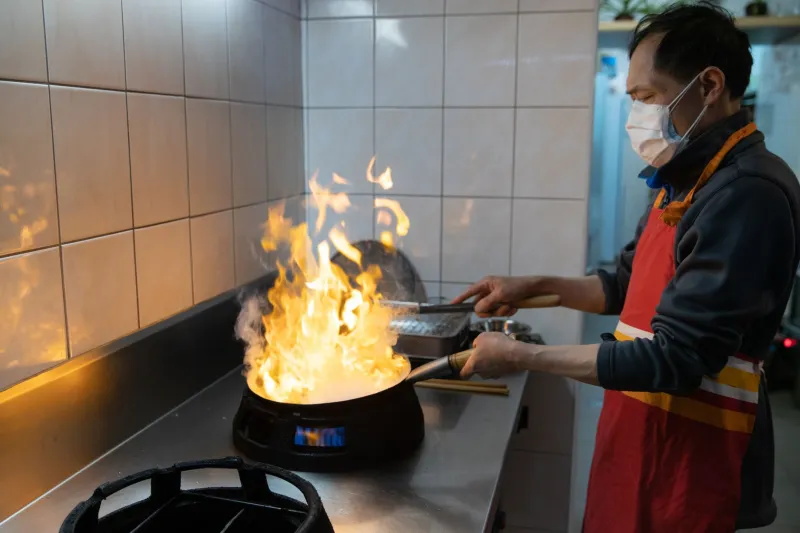
Here's the thing about summer cooking in America: we mostly just give up. We throw things on the grill, order takeout more than we'd like to admit, or resign ourselves to sad salads and deli rotisserie chicken. The kitchen becomes the enemy. The stove goes untouched for weeks.
Shanghai gets hot. Genuinely, oppressively hot—the kind of humid heat that makes you question your life choices before 9 a.m. And yet, Shanghai home cooks don't abandon their kitchens in summer. They don't default to sad salads or $40 delivery fees. They shift. They adapt. They have a whole summer cooking philosophy that most Americans have never encountered, and it works beautifully.
The centerpiece of that philosophy? Cold noodles. And everything that surrounds them.
The Cold Noodle Is Not a Compromise
Let's get one thing straight before we go any further. Shanghai-style cold noodles—liangmian, served at room temperature or slightly chilled—are not a lesser version of a hot noodle dish. They are not a concession to the heat. They are their own fully realized thing, and they are genuinely excellent.
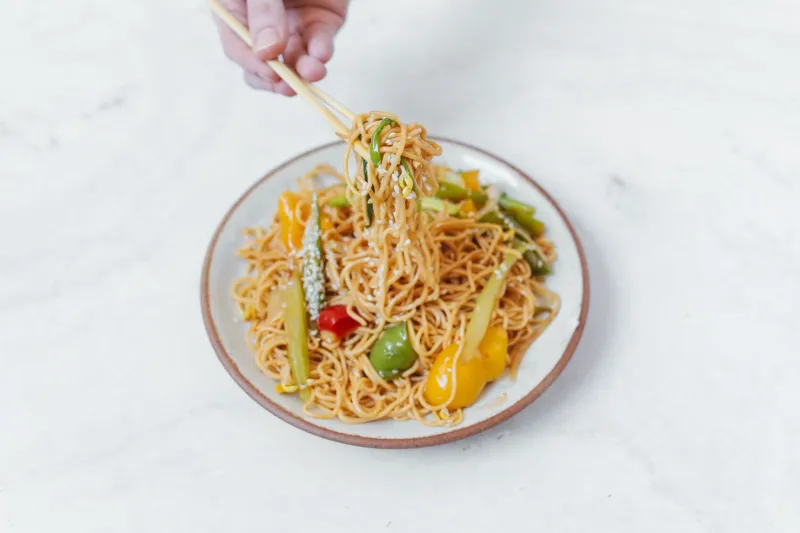
The noodles are typically wheat-based, cooked until just done, then rinsed under cold water and tossed with a slick of sesame oil to keep them from sticking. From there, the variations are endless. A classic version gets dressed with a mixture of sesame paste, black vinegar, light soy sauce, a little sugar, and chili oil—all whisked together into a sauce that's nutty, tangy, slightly sweet, and complex in a way that takes approximately five minutes to assemble.
Toppings vary by household and mood: shredded cucumber, blanched bean sprouts, julienned egg crepe, poached chicken pulled into strips. Some cooks add a spoonful of peanut butter to the sauce. Some go heavier on the vinegar. The template is flexible, and that flexibility is part of the point.
For American cooks, this is a revelation. You can cook the noodles early in the morning when the kitchen is still bearable, refrigerate them, and have dinner ready without turning on a burner after noon. The sauce takes five minutes. The toppings are mostly raw or pre-cooked. The whole thing comes together at room temperature, no reheating required.
The Shanghai Summer Technique Toolkit
Cold noodles are the headline, but the summer cooking shift in Shanghai goes deeper than one dish. There are a few techniques worth understanding.
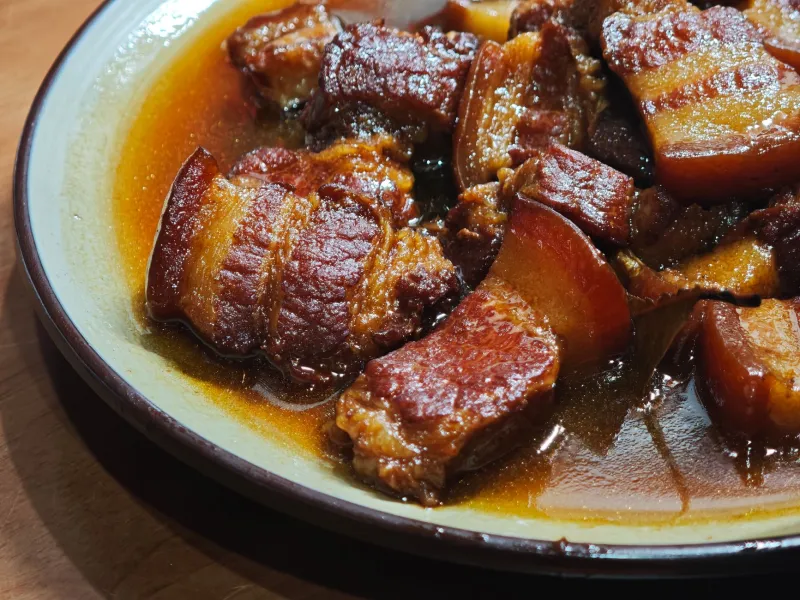
Batch cooking in the cool hours. Shanghai home cooks have always understood that fighting the heat is a losing battle. Instead, they work with it. Anything that requires the stove gets done in the morning—braised pork, hard-boiled eggs, blanched vegetables—then stored and served later at room temperature or cold. This isn't meal prep in the Instagram sense. It's just common sense applied to a hot kitchen.
Room-temperature dishes as a feature, not a bug. In Shanghai food culture, serving food at room temperature is completely normal and often deliberate. Cold drunken chicken (zuiji) is one of the great summer dishes of the cuisine—poached chicken chilled in a Shaoxing wine and ginger brine, served cold, intensely flavorful, zero stove time at the moment of serving. It's the kind of dish that gets better as it sits.
Minimal oil, maximum aromatics. Summer stir-fries in Shanghai tend to be lighter than their winter counterparts. Less oil, shorter cooking times, more reliance on vinegar and fresh aromatics to build flavor. The goal is a dish that feels clean and bright rather than heavy and rich.
Soup, but cold. This one surprises people. Shanghai has a tradition of chilled or room-temperature soups, often made with cooling ingredients like winter melon, mung beans, or lotus root. These aren't gazpacho-style blended soups. They're lightly seasoned broths with vegetables that have been cooked gently and then cooled. They're hydrating, easy to digest, and deeply satisfying in a way that a cold soda never quite manages.
Why American Summer Cooking Keeps Missing the Mark
American summer cooking has two modes: grill everything, or don't cook at all. Both have their place, but neither solves the fundamental problem of wanting real, satisfying, complex food without making your kitchen unbearable.
The grill is great for proteins, genuinely. But it doesn't help you build the kind of nuanced, layered flavors that make a meal feel complete. And grilling in a small apartment or a rainy week isn't always an option.
What Shanghai cooking offers is a third path: cook strategically, minimize heat exposure, and build flavor through technique rather than prolonged cooking time. A cold noodle dish with a well-made sesame sauce is more satisfying than a burger, and it requires less active cooking time than firing up the grill.
The American Kitchen Translation
Here's how to start applying the Shanghai summer strategy to your actual life.
Make a cold noodle sauce and keep it in the fridge. Whisk together two tablespoons of tahini (it's not traditional but it works), one tablespoon of black vinegar, one tablespoon of light soy sauce, a teaspoon of sesame oil, a pinch of sugar, and chili oil to taste. This keeps for a week and can dress noodles, be used as a dipping sauce, or get drizzled over blanched vegetables.
Cook proteins in the morning. Poach a couple of chicken breasts before 9 a.m. Let them cool in their liquid. Shred them when you're ready to eat. You've done the hard work before the heat hits.
Embrace room temperature. Not everything needs to be piping hot to be good. In fact, some things are better when they've had time to sit and let the flavors settle. Stop reheating things reflexively.
Stock your pantry for summer specifically. Black vinegar, sesame paste, dried noodles, chili oil. These are your summer toolkit. They don't require cooking to deliver flavor. They just need assembly.
Shanghai figured out how to eat well in the heat a long time ago. It's time American kitchens caught up.