Cooking With the Clock: How Shanghai's Seasonal Kitchen Puts American Grocery Habits to Shame
Walk into an American grocery store in January and you'll find strawberries. Not great ones, but they're there. Tomatoes in February. Corn in November. The industrial food system has done an impressive job of making every month feel like every other month—and somewhere along the way, most American home cooks stopped noticing.
Shanghai home cooks notice. They always have.
In Shanghai's wet markets and neighborhood produce stalls, the calendar isn't just a suggestion—it's the menu. What peaks in late spring doesn't show up again until late spring comes back around. And rather than treating that as a limitation, Shanghai's cooking culture built an entire culinary identity around it. The result? Food that tastes like somewhere, not like a controlled-atmosphere warehouse in Chile.
Why the Wet Market Is a Calendar in Disguise
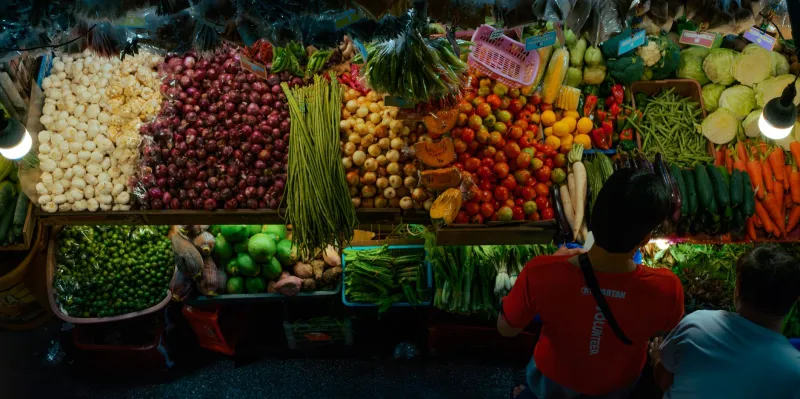
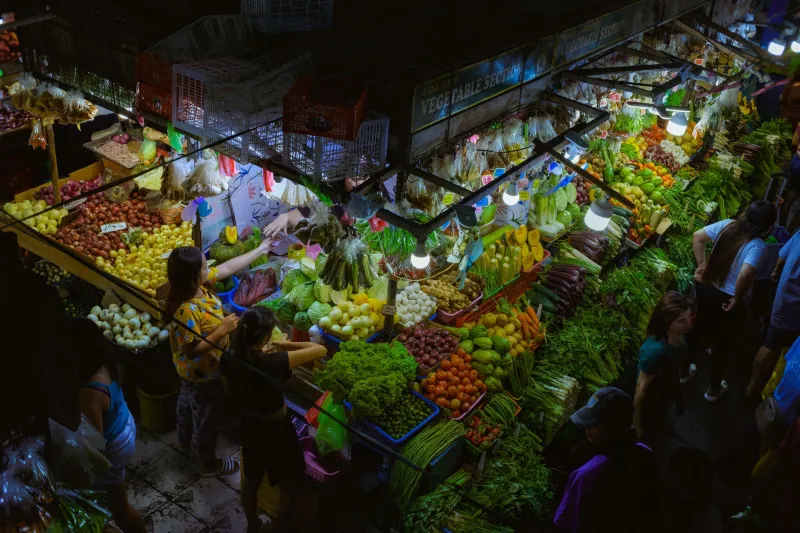
If you've ever wandered through a Shanghai wet market—or seen footage of one—the first thing that hits you is the density. Stalls packed tight, vendors calling out, produce piled in ways that feel almost sculptural. But look a little closer and you'll see something more interesting: almost everything in front of you is exactly what's supposed to be there right now.
Shanghai sits in the Yangtze River Delta, a region with four genuinely distinct seasons and soil that's been farmed for thousands of years. That geography produces a tight, reliable seasonal cadence. Spring brings toon shoots (香椿, xiāng chūn), river shrimp, and the first tender pea shoots. Summer loads up on bitter melon, lotus root, edamame, and eggplant. Autumn is crab season—specifically the hairy crab (大闸蟹, dàzhá xiè), which gets its own cultural moment every year. Winter pulls everything toward root vegetables, salted and preserved greens, and slow-braised proteins that make sense when the air gets cold.
Shanghai cooks don't fight this. They plan around it, talk about it, and genuinely look forward to each shift. The arrival of spring bamboo shoots is an event. The first good crab of the season is cause for a meal worth planning a week ahead.
The Flavor Case for Seasonal Cooking
Here's the thing American food culture tends to skip past: seasonal produce doesn't just cost less. It tastes fundamentally different.
A tomato grown in season, harvested ripe, and sold within a few days has a sweetness and acidity that a tomato shipped from a hothouse simply doesn't. A bunch of pea shoots cut that morning has a grassy brightness that wilted grocery-store greens can't replicate. This isn't nostalgia talking—it's chemistry. Sugars convert to starches during long transport. Volatile aromatic compounds evaporate. Cell walls break down.
Shanghai cooking leans hard into this reality. Dishes are often built around a single seasonal ingredient given real respect—not buried under sauce, but highlighted. A simple stir-fry of spring bamboo shoots with Shaoxing wine and a touch of soy sauce works because those shoots are sweet, tender, and just cut. Try to make the same dish in November with out-of-season bamboo and you're just going through the motions.
There's a concept in Shanghai cooking culture sometimes described as 应时当令 (yìng shí dāng lìng)—cooking in accordance with the time and the season. It's less a rule and more a deeply held instinct. You cook what's right for right now.
What the Seasonal Calendar Actually Looks Like
For American cooks trying to map this onto their own lives, here's a rough translation:
Spring (March–May): Pea shoots, toon leaves, fresh bamboo shoots, river shrimp, soft tofu, young ginger. This is the season for lighter dishes—quick stir-fries, clear broths, and preparations that let delicate flavors breathe. In the US, this lines up with farmers market season kicking back into gear. Snap peas, asparagus, ramps, and spring onions are your seasonal allies.
Summer (June–August): Bitter melon, lotus root, fresh edamame, eggplant, summer squash, clams, and cold-dressed dishes that don't require much heat. Shanghai summers are brutally hot and humid, and the cuisine reflects that—cooling ingredients, lighter proteins, less time over a flame. American summers hand you zucchini, corn, peppers, and stone fruit. Use them.
Autumn (September–November): Hairy crab takes center stage, but also chestnuts, taro, mushrooms, and heartier greens. The cooking gets richer. Braises start making sense again. In the US, this is squash, sweet potato, apple, and root vegetable territory. Lean into it.
Winter (December–February): Preserved vegetables, slow-cooked pork belly, salted fish, dried mushrooms, hearty tofu preparations. Shanghai winters call for food that warms from the inside out. American winters do too—and yet somehow the grocery store keeps selling the same stuff it sold in August.
The Budget Argument Nobody Talks About Enough
Beyond flavor, there's a very practical reason Shanghai home cooks cook seasonally: it's dramatically cheaper.
When something is in peak season locally, supply is high and prices drop. A bunch of pea shoots at a Shanghai market in March costs a fraction of what any equivalent imported green would. The same logic applies at American farmers markets and even at well-stocked grocery stores if you know what to look for.
Buying out-of-season produce means paying for the logistics of getting something from far away that wasn't meant to be harvested yet. You're paying for a tomato that was picked green and gassed to turn red. You're paying for strawberries that were bred for durability, not flavor. Seasonal cooking sidesteps all of that.
How to Actually Start Doing This
You don't need to overhaul your entire kitchen routine. Start with one shift: when you go to the grocery store or farmers market this week, look at what's genuinely in season where you live, and build one meal around it instead of starting from a recipe and hunting down the ingredients.
If you're cooking through a Shanghai lens, ask yourself what that ingredient wants to do. Is it tender and sweet? Keep it simple—a quick stir-fry, a light braise, a clean broth. Is it robust and earthy? Give it time and heat. Is it bitter? Balance it with something rich.
The Shanghai kitchen doesn't fight the season. It listens to it. And once you start listening too, you'll find that the best meal you can make this week is almost always the one that uses what's right outside your door, right now.
That's not a limitation. That's the whole point.