The Second Life of Dinner: How Shanghai's Leftover Philosophy Makes Every Meal Better Than the Last
There's a particular kind of guilt that lives in American refrigerators. It's the guilt of the half-eaten rotisserie chicken, the container of rice that's been sitting since Tuesday, the wilting bok choy that had such good intentions when you bought it. Most of us either force ourselves to eat it all cold and joyless, or we quietly slide it into the trash on garbage day and pretend it never happened.
Shanghai cooks don't have this problem. Not because they waste less by accident, but because they were taught — by grandmothers, by economics, by the sheer ingenuity baked into the cuisine — that yesterday's food is not a burden. It's raw material.
This isn't just a charming cultural quirk. It's a fully developed culinary philosophy with real techniques behind it, and once you understand how it works, your entire relationship with your refrigerator changes.
Leftovers Aren't the Meal. They're the Ingredient.
The first mental shift is the most important one. In a lot of American households, a leftover is defined by what it used to be. Leftover pasta is still pasta. Leftover chicken is still chicken. The goal is to return it to something resembling its original form, just warmer.
Shanghai home cooks think about it differently. Cold rice isn't leftover rice — it's the perfect base for chao fan, fried rice that only works correctly when the grains are dry and separated, which fresh rice never is. Day-old braised pork belly doesn't get reheated on its own; it gets sliced thin and layered into a scallion pancake sandwich, the fat melting just enough to make the whole thing extraordinary. Leftover steamed fish gets flaked and folded into congee with ginger and sesame oil until it tastes like it was always meant to end up there.
The dish changes. The identity of the ingredient changes with it. That's the whole game.
The Technique That Makes It Work: Flavor Layering on Top of Flavor
One reason repurposed Shanghai dishes taste intentional rather than desperate is the strategic use of aromatics and sauce to recontextualize whatever you're working with. A piece of yesterday's braised tofu dropped into a plain pan tastes like a leftover. That same tofu, hit with a spoonful of doubanjiang, a splash of Shaoxing wine, and a handful of sliced scallions in a properly hot wok? It becomes something with direction and purpose.
The logic is simple: already-cooked proteins and vegetables have absorbed their original seasoning, which means they have a foundation. You're not building from zero. You're building on top of something, which is actually easier than starting fresh — if you know what flavors to reach for.
Shanghai's pantry makes this possible. Dark soy sauce deepens color and adds a roasted sweetness. A drizzle of chili oil introduces heat and complexity. A small amount of black vinegar right at the end of cooking cuts through richness and wakes everything up. These aren't ingredients that mask old food. They're tools that redirect it.
Cold Rice Is a Feature, Not a Bug
Let's talk about fried rice for a second, because this is where the Shanghai leftover philosophy is most immediately useful for American cooks.
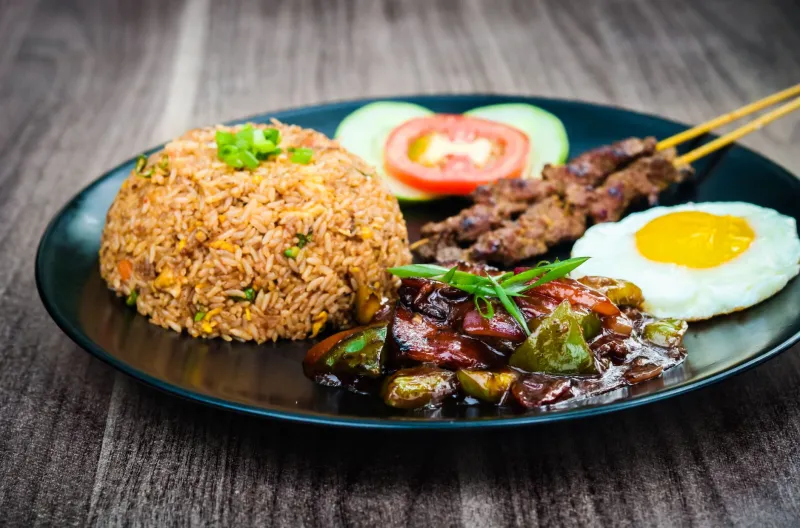
If you've ever tried to make fried rice with freshly cooked rice, you know the result: a sticky, clumped, vaguely gummy situation that bears no resemblance to what you get at a good Chinese restaurant. That's because fresh rice has too much moisture. The grains won't separate. They steam in the pan instead of frying, and you lose the texture that makes the dish worth eating.
Day-old rice — ideally refrigerated overnight — is dry enough to move freely in a hot wok. Each grain gets individual contact with the pan surface, which means you get color, you get a little crispness, and you get flavor development that fresh rice simply can't produce. Shanghai home cooks plan for this. They make slightly more rice than they need specifically so tomorrow's fried rice has a proper foundation.
For American cooks, this is a revelatory reframe. Cooking extra rice on Sunday isn't lazy meal prep — it's smart ingredient staging.
Vegetables That Are Past Their Prime Are a Wok's Best Friend
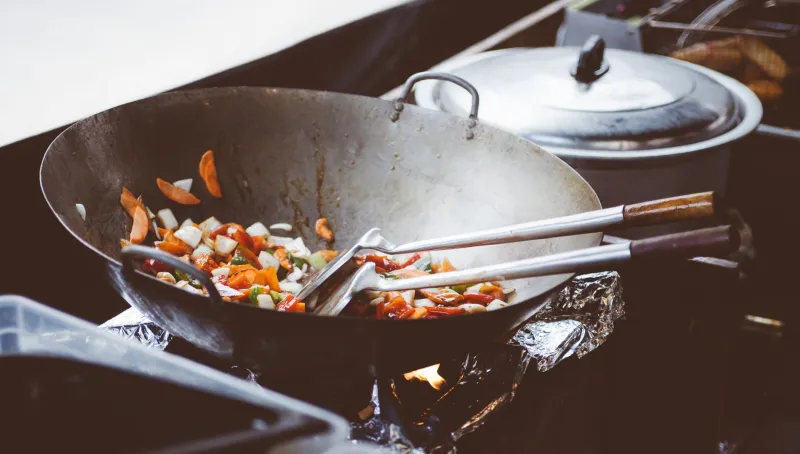
Here's something worth knowing about high-heat wok cooking: vegetables that are slightly past peak don't suffer in the process. They improve. A zucchini that's a little soft, a bell pepper that's lost its snap, mushrooms that have started to wrinkle — all of these get thrown into a screaming-hot wok where their moisture drives off quickly, their natural sugars concentrate, and they take on a char and depth that fresh vegetables sometimes struggle to achieve.
Shanghai cooks have long understood that the wok is a great equalizer. You don't need pristine produce to make a great stir-fry. You need heat, timing, and the right seasoning. The vegetable's age is almost irrelevant if your technique is right.
This should be genuinely liberating for anyone who's ever thrown out a bag of slightly wilted spinach or a soft carrot. Cut them smaller, get your pan hot enough to be slightly terrifying, and season aggressively. The results will surprise you.
The Weekly Math Actually Works Out
Let's bring this down to dollars and cents, because that's where the rubber meets the road for most American households.
The average American family throws out somewhere between $1,500 and $2,000 worth of food every year. A significant chunk of that is prepared food that never got repurposed — proteins, grains, and vegetables that could have fed people for another meal but didn't, because nobody knew what to do with them.
The Shanghai approach effectively turns every meal into two. The braised pork you make on Wednesday becomes the filling for steamed buns on Friday. The leftover soup becomes the braising liquid for your weekend tofu. The rice you made too much of on Monday carries your fried rice on Thursday. You're not buying less food — you're extracting more meals from the same amount of groceries.
Over the course of a month, this compounds. Over the course of a year, it's a meaningful number.
Starting Small: One Habit That Changes Everything
You don't have to overhaul your entire cooking life to start benefiting from this philosophy. Start with one habit: make more rice than you need, every time you make rice. Refrigerate the extra. See what you do with it.
From there, start keeping a small bottle of dark soy sauce and a jar of chili crisp near your stove. When you're looking at a container of leftovers and wondering what to do with them, reach for those before you reach for the microwave. Get a pan hot. Add aromatics. Let the heat and the seasoning do the work of transformation.
That's really all it takes to start thinking like a Shanghai cook. Not a total lifestyle change — just a different question. Instead of what are we doing with these leftovers, ask what can these leftovers become.
The answer, almost always, is something better than what you started with.