Broth Is Not Soup: The Shanghai Science of Building Flavor From the Bottom Up
The Soup Problem Nobody Wants to Admit
Let's be honest about something. Most American soups — even the ones we love — are basically flavored water. A bouillon cube here, a splash of store-bought stock there, maybe some salt if you're feeling ambitious. The result is fine. Comforting, even. But it's not complex. It doesn't hit you in layers. It doesn't make you put down your spoon and just sit there for a second.
Shanghai broth does that.
And the reason it does — the actual, scientific reason — has everything to do with time, technique, and a few ingredients that American home cooks have largely been sleeping on. Once you understand what's happening at a molecular level inside a Shanghai stock pot, you'll never look at a can of chicken broth the same way again.
What Umami Actually Is (And Why Your Stock Might Be Missing It)
Umami is the fifth taste. You've probably heard that by now. But knowing the word and understanding what creates it are two very different things.
Umami is driven primarily by glutamates — naturally occurring amino acids that signal savory depth to your brain. When you eat something and think, why can't I stop eating this? — that's glutamates doing their job. Glutamates are released when proteins break down over heat and time. The longer and more carefully you cook collagen-rich bones, the more of these compounds you liberate into the liquid.
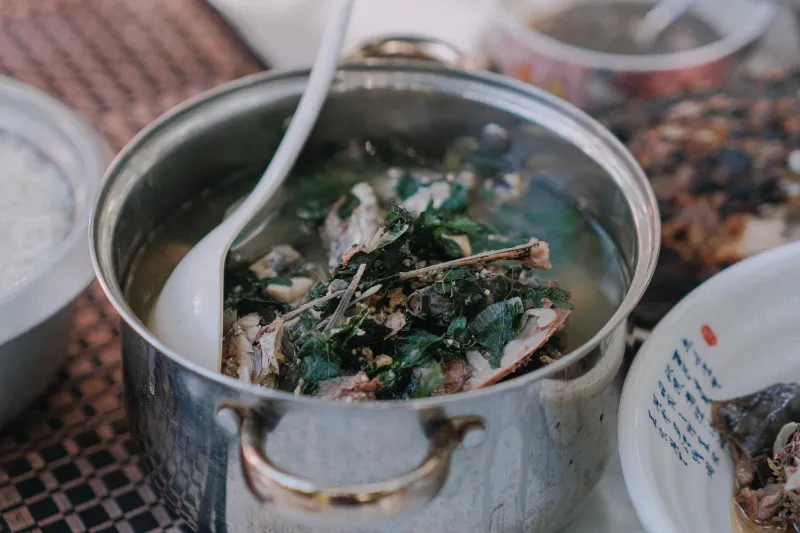
Shanghai-style bone broths are simmered for hours — sometimes four, sometimes eight, sometimes longer — specifically to maximize this release. Pork bones, chicken carcasses, and sometimes dried seafood like scallops or shrimp are layered together because each protein source contributes a different glutamate profile. You're not just making one-note savory. You're stacking savory on top of savory until something greater than the sum of its parts emerges.
Western stocks, by contrast, are often rushed. A 45-minute vegetable stock. A two-hour chicken stock that still tastes vaguely watery. Time is the ingredient American recipes keep cutting out of the budget.
The Shanghai Broth Toolkit: What Goes In and Why
Traditional Shanghai-style broths are built around a few key components that each pull specific flavor duties.
Pork bones (particularly trotters or neck bones) are rich in collagen. When collagen breaks down, it becomes gelatin — and gelatin is what gives a great broth that slightly silky, lip-coating texture. If your broth turns into a loose jelly when it cools in the fridge, you've done something right.
Ginger and scallions are the aromatic foundation. They're not there to make the broth taste like ginger. They're there to neutralize the gamey, iron-forward notes that raw bones carry. Think of them as a reset button for the base flavor.
Shaoxing wine — a fermented rice wine — adds a fermentation-derived depth that you simply cannot replicate with dry sherry or white wine, no matter what a substitution chart tells you. The fermentation process creates additional glutamates before the wine even hits the pot.
Dried ingredients are where Shanghai broths pull away from the competition. Dried scallops (conpoy), dried shrimp, or even a piece of dried tangerine peel introduce a concentrated umami punch that fresh ingredients can't match. Drying intensifies flavor compounds by removing water and allowing enzymatic reactions to deepen the taste profile over time.
This is the conspiracy, in a sense. The flavor isn't added at the end. It's engineered from the very first ingredient that goes into the pot.
The Blanching Step Americans Always Skip
Here's where most Western broth recipes quietly fail: they skip the blanch.
Before Shanghai-style bones go into a long simmer, they're blanched — submerged briefly in boiling water, then rinsed clean. This process draws out blood, bone fragments, and the proteins that would otherwise coagulate into that grayish foam that makes stock look murky and taste slightly bitter.
Blanching is not optional. It's the reason Shanghai broth is often described as clean-tasting despite being deeply complex. Clarity and depth aren't opposites — they're both the result of taking care at every stage.
After blanching, the bones are rinsed under cold water and then started in fresh, cold liquid. Beginning cold allows proteins to dissolve slowly and evenly, which keeps the broth clear rather than cloudy.
Building It at Home: A Realistic Approach
You don't need a commercial kitchen or a 12-quart stockpot to get close to this at home. Here's a practical framework.
Start with the right bones. Ask your butcher for pork neck bones or trotters. Many Asian grocery stores — and there are more of them in American cities than ever before — carry them pre-cut and affordable. A combination of pork and chicken will give you a more rounded flavor than either alone.
Blanch before you simmer. Cover the bones with cold water, bring to a boil, let them go for five minutes, then drain and rinse. Don't skip this.
Build your aromatics deliberately. Smash a two-inch knob of ginger. Tie a few scallion stalks together. These go in at the start and stay in throughout.
Add at least one dried ingredient. Even a small handful of dried shrimp from an Asian grocery will dramatically shift the flavor depth. Dried scallops are more expensive but transformative.
Simmer low and slow. A rolling boil will cloud your broth and toughen the proteins. A gentle simmer — small bubbles breaking the surface occasionally — is what you want. Plan for a minimum of three hours. Four is better. If you have a slow cooker, overnight on low is a legitimate strategy.
Season at the very end. Salt added early draws moisture out of the aromatics and can over-concentrate as the broth reduces. Taste and adjust only when you're done.
Why This Changes How You Cook Everything Else
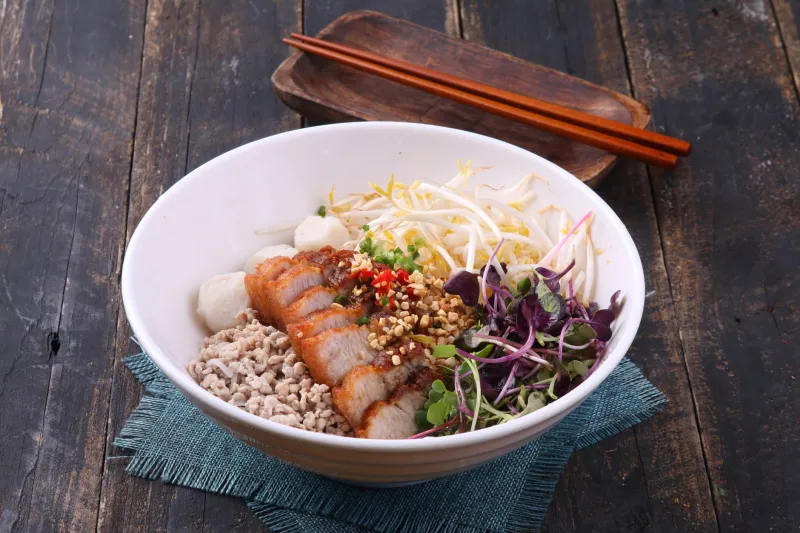
Once you have a proper Shanghai-style broth in your fridge, your entire cooking game shifts. Use it as the braising liquid for red-cooked pork and you'll understand why that dish tastes the way it does at a good Shanghai restaurant. Use it as the base for a simple noodle soup and suddenly a bowl of noodles feels like an event.
The broth is the foundation. In Shanghai cooking, it's rarely the star — it's what makes the star possible. American cooking has a tendency to want every ingredient to announce itself loudly. Shanghai cooking understands that the best flavors are the ones doing quiet, essential work underneath everything else.
That's not a conspiracy. That's just craft.
And now you're in on it.