Prep Lists Are for People Who Don't Trust Themselves Yet
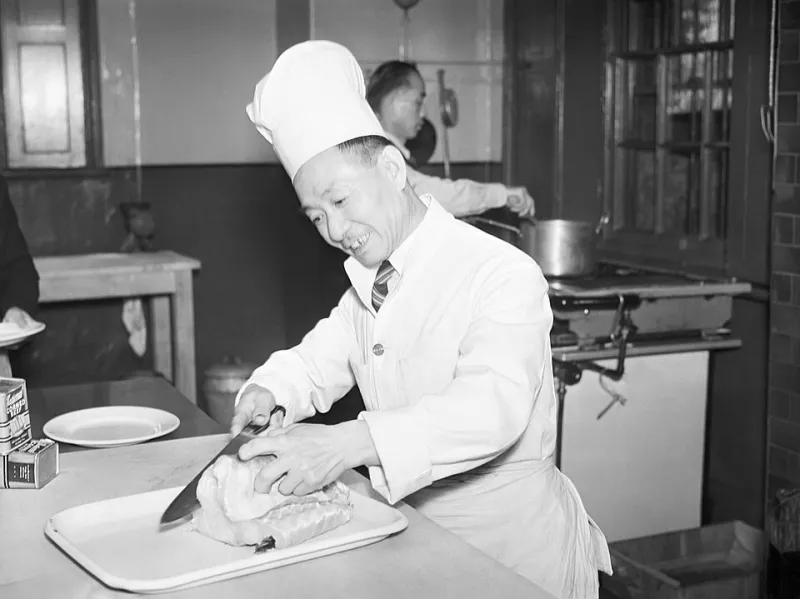
Photo: Ministry of Information Photo Division Photographer, Public domain, via Wikimedia Commons
Walk into a professional culinary program in the United States and one of the first things they'll drill into you is mise en place — a French phrase that translates roughly to "everything in its place." Your garlic is minced. Your sauce is measured into a little glass bowl. Your aromatics are lined up like soldiers waiting for orders. It's orderly. It's photogenic. It's the kind of thing that looks great on a cooking show.
Shanghai cooks, by and large, think this is a bit much.
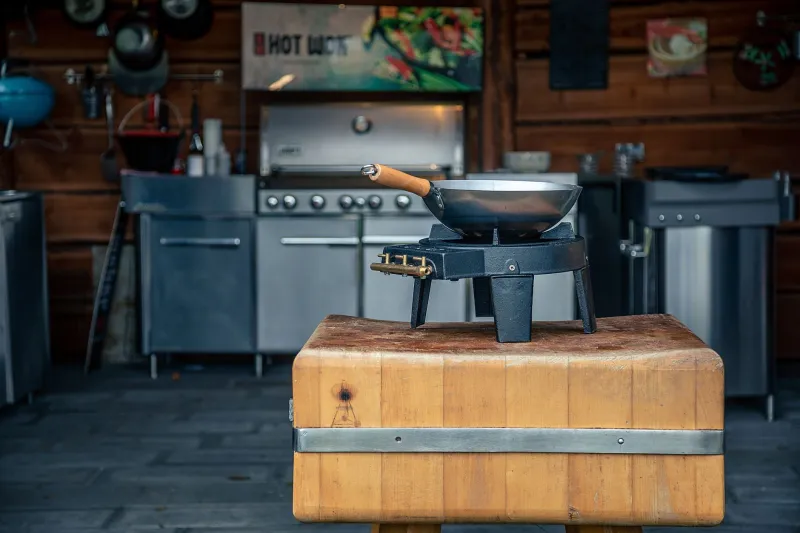
That's not a knock on French technique — classical cooking built the infrastructure for how the Western world talks about food. But the Shanghai kitchen operates on a completely different philosophy, one that's less about control and more about conversation. The cook talks to the wok. The wok talks back. The dish becomes something neither party planned entirely in advance.
The Myth of the Perfectly Staged Kitchen
Here's the thing about mise en place that nobody really talks about: it assumes you already know exactly what you're going to make, in exactly what quantities, with exactly the ingredients you bought at the store. It's a system built for certainty.
But real cooking — the kind that happens in home kitchens, not restaurant prep rooms — is rarely certain. You thought you had ginger but you don't. The bok choy looked better than the cabbage at the market so you grabbed that instead. Your kid decided they hate mushrooms this week even though they loved them last week.
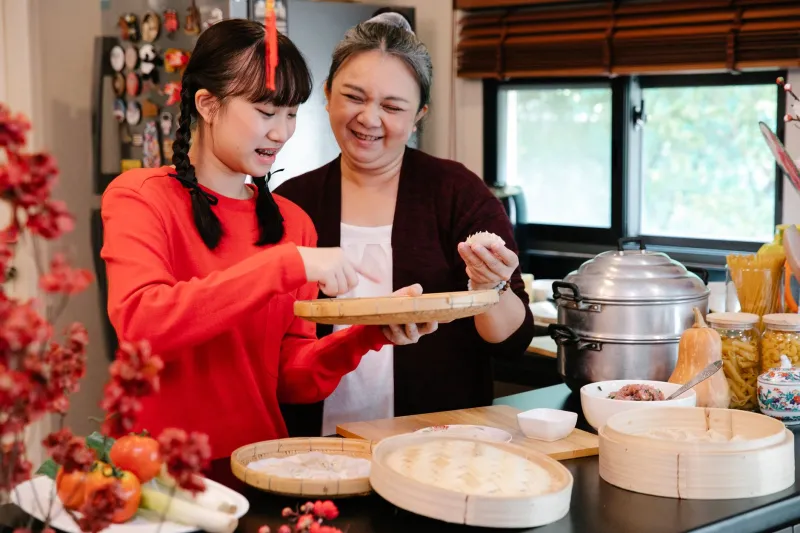
Shanghai home cooks have been navigating this kind of reality for generations. The result is a cooking style that's less about executing a plan and more about reading what's in front of you and responding accordingly.
What "Cooking by Feel" Actually Means
When Shanghainese grandmothers talk about cooking by feel, they don't mean winging it in a reckless way. They mean something more like jazz than chaos — there's a deep structural understanding underneath the improvisation. You know how oil behaves at different temperatures. You know when garlic is about to burn versus when it's just fragrant. You know that a dish with too much soy sauce can be balanced with a touch of sugar, and that a sauce that's gone flat probably needs acid, not more salt.
This knowledge doesn't live on a prep list. It lives in your hands and your nose and your ears — yes, your ears. The sound of food hitting a hot wok tells you a tremendous amount about whether the temperature is right. No amount of pre-measured bowls will teach you that.
The Shanghai approach builds this sensory literacy by keeping cooks in the moment rather than executing a predetermined script. You're not checking off steps. You're paying attention.
The Speed Argument
Here's a practical case for ditching the staging ritual: Shanghai-style stir-fries are genuinely fast dishes. We're talking three to five minutes of actual cooking time in many cases. But if you spend forty-five minutes prepping before you start, you haven't actually saved any time — you've just moved the time around.
Shanghai cooks often chop as they go, particularly for dishes where certain ingredients go in early and others follow later. The ginger and garlic hit the wok first while the vegetables are still being sliced. The sauce gets mixed in the bowl while the protein is resting. It sounds chaotic on paper, but in practice it creates a rhythm — a cooking flow that Western kitchen culture has largely lost in its obsession with preparation as a separate, sacred phase.
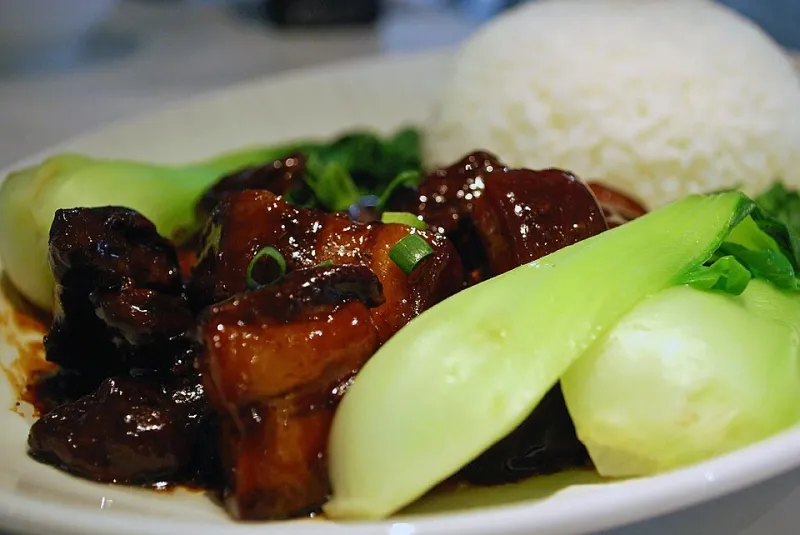
Not every dish works this way. A Shanghai red-braised pork belly — hong shao rou — requires patience and timing, and having your aromatics ready before that pork hits the pot is genuinely useful. The point isn't that prep is bad. The point is that prep should serve the dish, not replace the act of actually cooking it.
What American Home Cooks Can Actually Take From This
You don't have to throw out your cutting board organization system to cook better. But here are a few Shanghai-inspired habits worth stealing:
Learn your heat, not your recipe. Before you worry about what ingredients go in when, understand how your pan or wok behaves. Medium-high on your stove might be different from what a recipe assumes. Get comfortable with the feel of proper cooking temperature before anything else.
Let the ingredient lead. If you open your fridge and the scallions look incredible but the celery is sad, cook the scallions. Shanghai cuisine is built around market-fresh thinking — you buy what looks good, then figure out the dish. This is the opposite of how most Americans grocery shop, and it's worth trying.
Taste constantly. Mise en place assumes the recipe is correct. Shanghai cooking assumes the cook has to be correct, which means tasting and adjusting throughout the process rather than trusting that measured tablespoons will produce the right result.
Give yourself permission to pivot. If the sauce needs something and you don't know what, add a little of something and see what happens. This isn't recklessness — it's the actual skill that separates a confident cook from one who needs a recipe to feel safe.
The Real Lesson
Mise en place is a scaffolding system. It's incredibly useful when you're learning, when you're cooking at scale, or when you're managing a professional kitchen with multiple people and multiple dishes firing at once. It is not, however, the only valid way to approach cooking — and in the home kitchen, it can actually create a kind of performance anxiety that makes cooking feel harder than it is.
Shanghai's cooking culture doesn't laugh at preparation because preparation is bad. It laughs at the idea that preparation is the point. The point is the dish. The point is the meal. The point is the people sitting around the table.
Everything else, including the mise en place, is just a tool. Use it when it helps. Put it down when it doesn't.
That's the Shanghai way.