Room Temperature Is Not the Enemy: The Shanghai Case for Cold Dishes
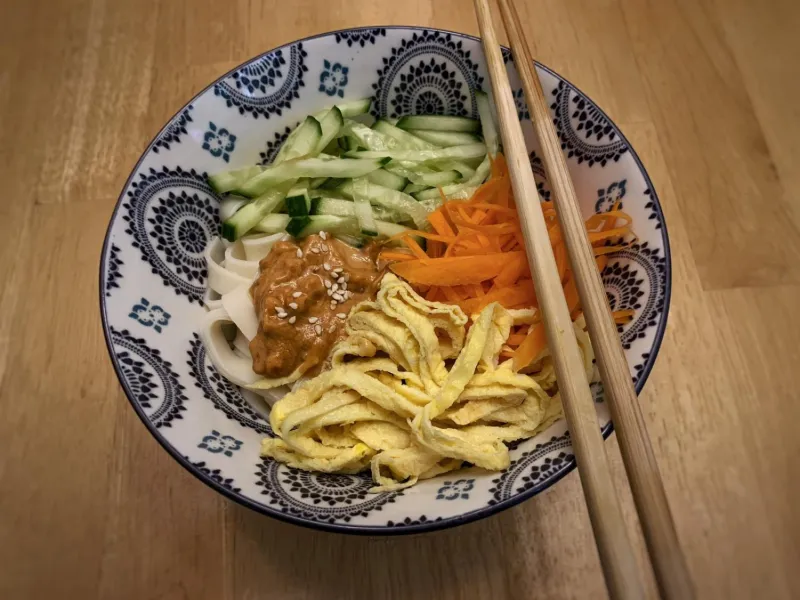
Photo: Shanghai cold dishes liang cai spread appetizers sesame noodles cucumber garlic, via arhsharbinger.com
American food culture has a freshness problem. Not in the sense that Americans don't value fresh ingredients — they absolutely do, sometimes to a fault — but in the sense that "fresh" has become synonymous with "just cooked," and "just cooked" has become the only acceptable standard for a good meal. Hot food is good food. Warm food is acceptable food. Room temperature food is a sign that something has gone wrong.
Shanghai would like a word.
凉菜 — liǎng cài, literally "cold dishes" — is one of the most important and least exported traditions in Shanghai's food culture. These are prepared dishes, often marinated or dressed, served at room temperature or slightly chilled. They're not afterthoughts or leftovers in the apologetic American sense. They're a deliberate, sophisticated category of cooking with its own techniques, its own flavor logic, and — this is the part that tends to surprise people — its own argument for why time and temperature actually improve food rather than diminishing it.
What Liǎng Cài Actually Is
Before we get into the why, let's be clear about the what. Liǎng cài isn't just any cold food. It's not a sad desk lunch or a refrigerator raid. In Shanghai, cold dishes are typically served at the beginning of a meal — the first things to hit the table, often while the hot dishes are still being finished. They're designed to stimulate appetite, balance the richness of what's coming, and demonstrate the cook's range.
Classic Shanghai cold dishes include things like:
- Smashed cucumber with garlic and sesame oil — simple, sharp, refreshing
- Drunken chicken (zuì jī) — poached chicken soaked in Shaoxing wine and aromatics, served cold in its own jellied broth
- Five-spice beef shank — braised low and slow, then sliced thin after cooling and resting overnight
- Cold sesame noodles — dressed while warm, served at room temperature
- Marinated wood ear mushrooms — tossed with vinegar, chili oil, and scallion
What these dishes have in common isn't just temperature. It's the fact that they're designed to be experienced after the cooking has stopped — after the flavors have had time to settle, absorb, and develop in ways that just-cooked food simply can't.
The Science of Why Cold Dishes Taste Better the Next Day
Here's what's actually happening when you let a prepared dish rest:
Flavor migration. When food is hot, molecules are moving quickly and the flavor compounds in a marinade or sauce haven't had time to fully penetrate the ingredient they're coating. As the dish cools and sits, those compounds move inward — into the muscle fibers of a protein, into the cell structure of a vegetable — creating a more evenly distributed, deeply integrated flavor profile. This is why a marinated chicken thigh that's been sitting overnight tastes more thoroughly seasoned than one that's been marinated for twenty minutes.
Fat solidification and redistribution. Dishes that contain fat — braised meats, sesame-dressed vegetables — behave differently at room temperature than they do straight out of the pan. The fat carries fat-soluble flavor compounds (including many of the aromatic components from spices, garlic, and ginger) and distributes them more evenly as it firms slightly. This is part of why Shanghai five-spice beef tastes more complex cold than it does warm.
Acid and sugar balance. Vinegar-dressed dishes undergo a kind of chemical negotiation as they sit. The sharpness of the acid softens slightly, the sugar integrates more thoroughly, and what was a somewhat aggressive dressing at the moment of mixing becomes a rounder, more cohesive flavor by the next day. This is why cold sesame noodles are one of those dishes that almost everyone agrees is better a few hours after making.
Starch retrogradation. If you've ever noticed that cold noodles or rice have a different — sometimes more interesting — texture than their just-cooked versions, you're observing starch retrogradation, a process by which starch molecules reorganize as they cool. This creates a slightly firmer, chewier texture that many people actually prefer, even if they don't have a name for the phenomenon.
Why This Challenges the American Food Mindset
American food culture has several deeply held beliefs that liǎng cài quietly dismantles. The first is the idea that freshness equals quality. The second is that hot food is inherently better than cold food. The third — and maybe the most pervasive — is that leftovers are lesser food, something to be tolerated rather than celebrated.
Shanghai's cold dish tradition rejects all three. These dishes aren't made in spite of time — they're made for time. The cook who prepares drunken chicken the night before a dinner party isn't cutting corners. They're applying a technique that requires forethought and understanding of how flavor develops. That's not laziness. That's sophistication.
There's also a practical argument here that American home cooks should find genuinely appealing: liǎng cài are inherently make-ahead dishes. You can prepare them the night before, the morning of, or even a couple of days in advance. They sit in the fridge without degrading — in many cases, they actively improve. For anyone who's ever stressed about timing multiple hot dishes for a dinner party, the Shanghai approach of anchoring the meal with a few cold dishes that are already done is quietly revolutionary.
Building Your Own Cold Dish Repertoire
You don't need to go full Shanghai to start applying this thinking. Here are some practical entry points:
Start with smashed cucumbers. This is the gateway drug of liǎng cài. Smash Persian cucumbers with the flat of your knife, toss with salt, let them drain for fifteen minutes, then dress with garlic, rice vinegar, sesame oil, and a little chili crisp. Make it an hour before you eat it. Notice how the flavor is more cohesive than it would be right after dressing.
Make five-spice eggs. Hard-boil eggs, peel them, simmer in a mixture of soy sauce, water, star anise, and a cinnamon stick for twenty minutes, then let them sit in the liquid overnight. Serve halved at room temperature. These are extraordinary and cost almost nothing.
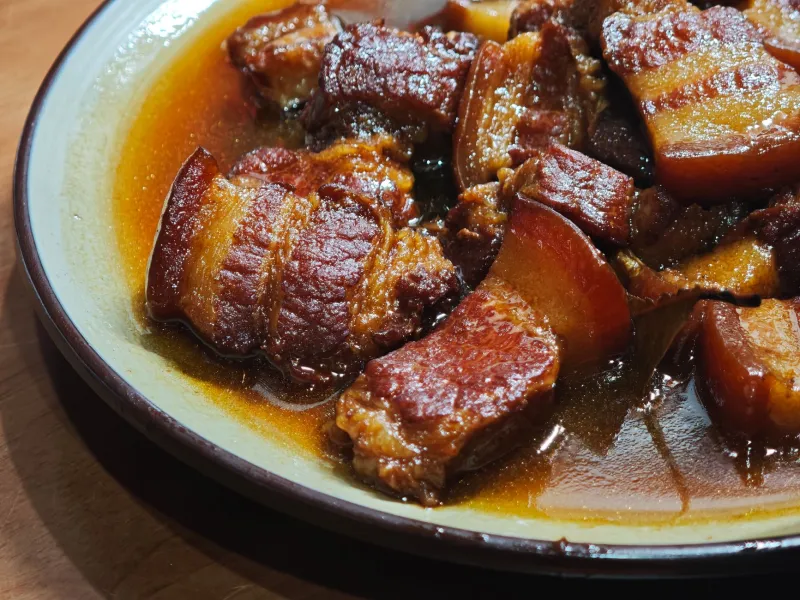
Braise a protein cold. Make a simple soy-braised pork belly or chicken thigh, let it cool completely in its liquid, then refrigerate overnight. Slice it cold and serve it at room temperature. Compare it to slicing it hot. The cold version will be more flavorful, more evenly seasoned, and easier to slice cleanly.
Dress noodles warm, serve at room temperature. Toss cooked noodles with sesame paste, soy sauce, rice vinegar, chili oil, and scallion while they're still warm so the sauce clings properly. Let them come to room temperature before serving. Don't refrigerate them if you can help it — cold from the fridge is different from room temperature, and room temperature is where these noodles are best.
The Bigger Lesson
Liǎng cài is ultimately about trusting time as an ingredient. It's about understanding that a cook's job doesn't end when the heat goes off — that some of the most important flavor development happens in the quiet hours after cooking, when the dish is just sitting there, doing its thing.
That's a fundamentally different relationship with food than the one most Americans have been taught. And once you experience a properly rested drunken chicken or a cold sesame noodle that's been sitting for three hours, it's hard to go back to insisting that everything has to be served the moment it's made.
Sometimes the best thing you can do for a dish is walk away from it.