A Thief, a Drunk Crab, and a Lion's Head: The Legends Behind Shanghai's Greatest Plates
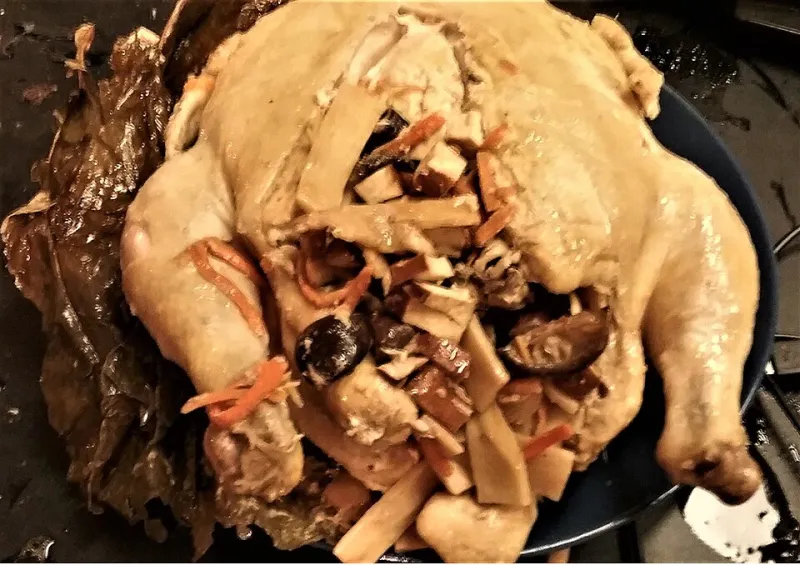
Photo: NeoBatfreak, CC BY-SA 4.0, via Wikimedia Commons
Some cuisines hand you a recipe. Shanghai hands you a story. The city's most iconic dishes come wrapped in myth, mischief, and occasionally outright theft — and honestly, the food tastes better when you know the lore. Here are seven of our favorites, plus how to pull off a home-cook-friendly version of each.
1. Beggar's Chicken (Jiao Hua Ji)
The legend: A starving beggar steals a chicken, has no pot to cook it in, so he wraps it in lotus leaves and mud and tosses it into the embers of a fire. The emperor (naturally) passes by, smells it, and is so blown away the dish goes imperial.
Why it's special: The mud-shell steams and roasts the bird simultaneously, producing fall-apart meat perfumed by the lotus leaf.
Home version: Wrap a whole chicken in lotus leaves (find them at any Asian grocery), then foil, and roast at 375°F for about 90 minutes. No mud required. Your landlord will thank you.
2. Drunken Crab (Zui Xie)
The legend: The name says it all — live crab drowned in rice wine until, well, tipsy. Some tellings involve a crab that wandered into a wine vat and accidentally invented a delicacy.
Why it's special: The raw crab cures in Shaoxing wine, sugar, and ginger, turning silky and briny-sweet. It's Shanghai's answer to crudo.
Home version: Respectfully, don't cure raw crab at home — food safety is real. Instead, do drunken shrimp blanched briefly, or splash Shaoxing wine into a quick crab stir-fry for the flavor without the risk.
3. Lion's Head Meatballs (Shi Zi Tou)
The legend: Named not for any lion but for the meatballs' size and shaggy, lettuce-fringed appearance — like a lion's mane.
Why it's special: These are pork meatballs the size of a baseball, deliberately tender, braised in a light broth or glazed dark. Comfort food with a crown.
Home version: Mix ground pork with minced water chestnut, ginger, and a splash of soy. Sear, then simmer in broth over napa cabbage for 40 minutes.
4. Red-Braised Pork (Hong Shao Rou)
The legend: Less myth, more legacy — this is the dish generations of Shanghai families measure each other by. Every household guards its ratio.
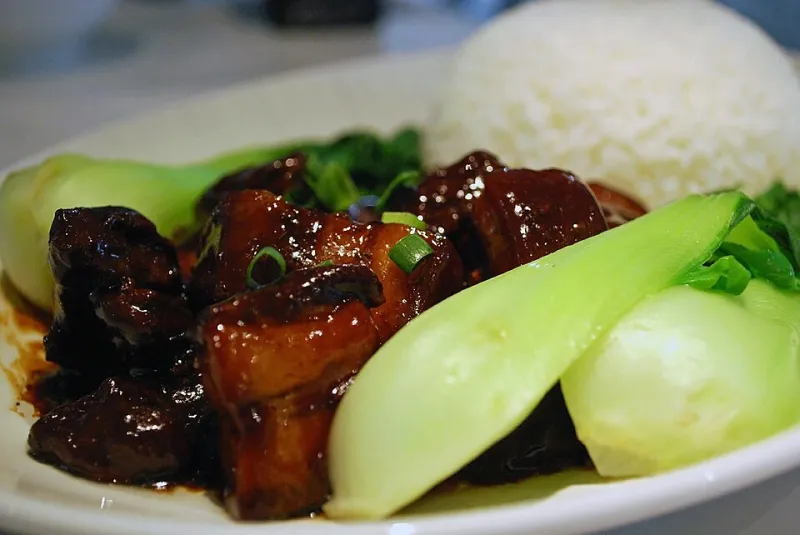
Why it's special: Pork belly braised in soy, sugar, and wine until it's glossy, dark, and dissolves on contact.
Home version: Cubed pork belly, soy sauce, Shaoxing wine, sugar, star anise. Simmer 90 minutes, reduce to glaze. Done.
5. Smoked Fish (Xun Yu)
The legend: Despite the name, no smokehouse needed — "smoked" here means fried then soaked in a sweet-spiced marinade.
Why it's special: Crisp fish, lacquered in five-spice syrup, served at room temperature. It's a cold-dish counter staple.
Home version: Firm white fish fillets, fried, then dunked warm into a mix of soy, sugar, and five-spice. Ten-minute soak.
6. Eight-Treasure Rice (Ba Bao Fan)
The legend: The eight "treasures" — dried fruits, lotus seed, sweet bean paste — were once tribute worthy of emperors. Now they're New Year's table royalty.
Why it's special: Sticky rice layered with sweets, steamed, and flipped out like a glistening dome.
Home version: Press sweetened sticky rice and red bean paste into a bowl, steam 30 minutes, invert. Instant drama.
7. Scallion Oil Noodles (Cong You Mian)
The legend: The humblest dish on this list, and the most beloved — proof that Shanghai's greatest food was never on a white tablecloth.
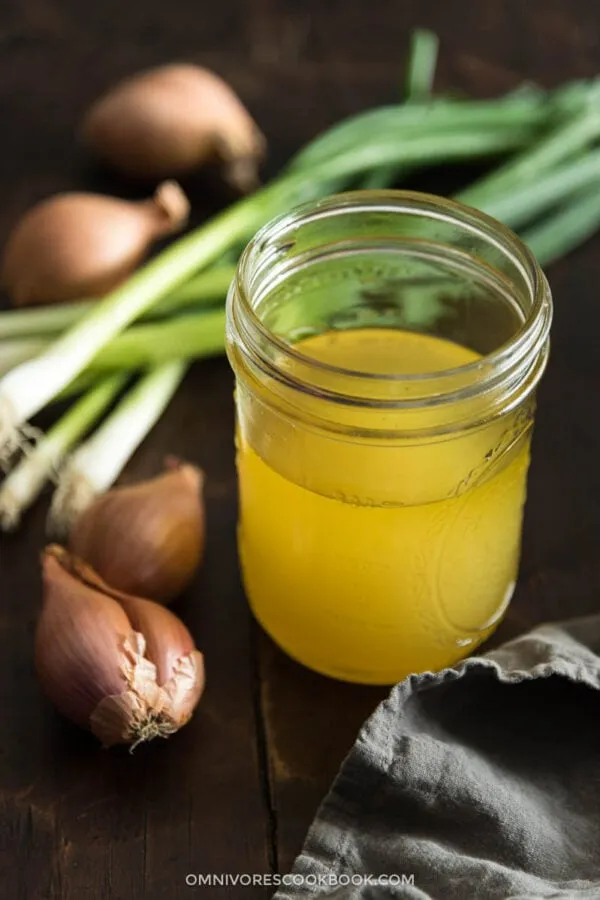
Why it's special: Noodles tossed in slow-fried scallion oil and soy. Four ingredients. Zero excuses.
Home version: Fry a bundle of scallions in oil until deeply golden, toss with noodles and soy sauce. Dinner in twenty minutes, legend included.