Your Takeout Order Is Missing the Point: Build a Real Reunion Dinner This Lunar New Year
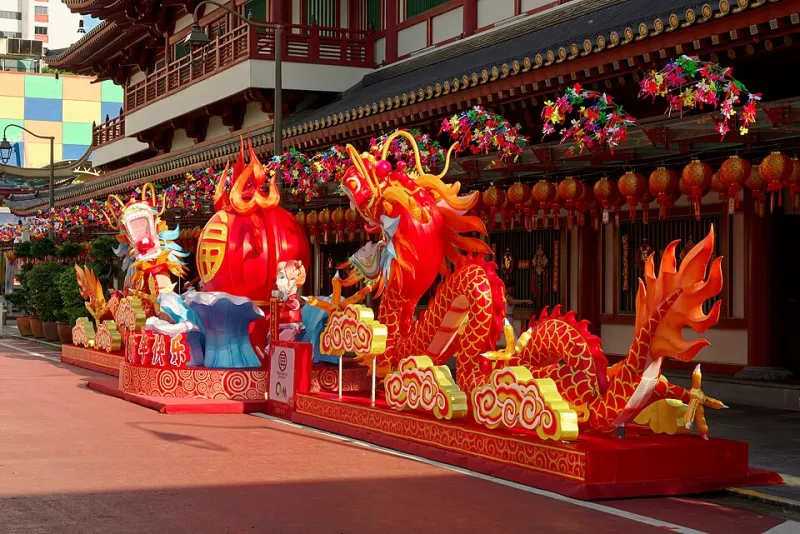
Photo: Jakub Hałun, CC BY 4.0, via Wikimedia Commons
Every Lunar New Year, American social media fills up with the same joke: "Happy New Year, ordering Chinese tonight!" And every year, a small part of us dies a little.
Because here's the thing — the reunion dinner, nianyefan, is the single most important meal of the entire year in Chinese culture. It's Thanksgiving, Christmas Eve, and New Year's Eve fused into one dinner, eaten with people you're obligated to love. Reducing it to a takeout combo platter with an egg roll isn't just a missed meal. It's a missed meaning.
This year, consider doing it properly. It's more achievable than you think, and the dishes themselves do half the work — because in Shanghai's reunion dinner tradition, food isn't just food. Every plate is a wish.
The Menu Is a Language
Shanghai's New Year table runs on homophones and symbolism. Once you know the code, the meal reads like a letter of good intentions:
Whole fish (yu) = abundance. The word for fish sounds like the word for surplus — "nian nian you yu," may every year bring more than you need. The fish arrives whole, head and tail intact, symbolizing a complete year from start to finish. Shanghai style: tangcu, a glossy sweet-and-sour preparation, or a simple steamed fish with scallions and hot oil poured over at the table. One rule: don't finish it. Leaving some fish means the surplus carries into the new year.
Niangao = rising fortune. This sticky rice cake's name sounds like "higher year" — eat it and you're literally ingesting upward mobility. Shanghai's version, pai niangao, is sliced, sometimes egg-battered and pan-fried until chewy and golden, often with pork or in a savory-sweet sauce. It's the dish Americans would lose their minds over if they ever encountered it outside of a holiday context.
Lion's head meatballs = reunion and power. These oversized, silky pork meatballs braised with cabbage represent family unity — big, round, and together. They're also just an incredible braise for anyone who mastered Shanghai's hongshao method.
Longevity noodles = long life. Served uncut, because cutting the noodle cuts the lifespan. Slurp them whole if you dare.
Spring rolls = wealth. Their shape resembles gold bars. Fried, therefore, non-negotiable.
Why Takeout Can't Carry This
A reunion dinner isn't about convenience — that's the entire point. The meal's power comes from the labor: multiple dishes arriving together, made by many hands, eaten slowly at a crowded table. The symbolism only works if someone stood in the kitchen making it.
That said, you're not obligated to cook everything. Shanghai families often divide the labor, and so should you. A realistic American game plan:
- Make ahead (day before): lion's head meatballs — braises improve overnight. Marinate the fish.
- Day of, low effort: steam the fish, fry the niangao slices, boil the noodles, toss a quick cucumber salad with black vinegar and sesame oil.
- Buy shamelessly: good dumplings from a local shop, store-bought spring rolls you fry at home. Frying them yourself is what matters.
Set everything out at once — Shanghai tables don't do courses. Lazy Susan if you have one. Tea, not cocktails, though a glass of Shaoxing wine wouldn't be wrong.
The Part That Actually Matters
Here's what we'd argue the reunion dinner gets right that American holiday meals sometimes lose: it's explicitly about the people at the table. The dishes are delicious, yes, but they're also a shared vocabulary of hopes — abundance, elevation, longevity, unity — spoken in pork and rice and fish.
You don't need Chinese heritage to understand that. You just need a table, a few people you're glad survived another year with, and a whole fish you deliberately don't finish.
Skip the takeout box this year. Make the fish, burn the first spring roll, argue over who gets the last meatball. That's not a better version of Lunar New Year — that's just Lunar New Year, finally showing up to the party.