Skip the Aisle Panic: Five Bottles That Unlock 90% of Shanghai Cooking
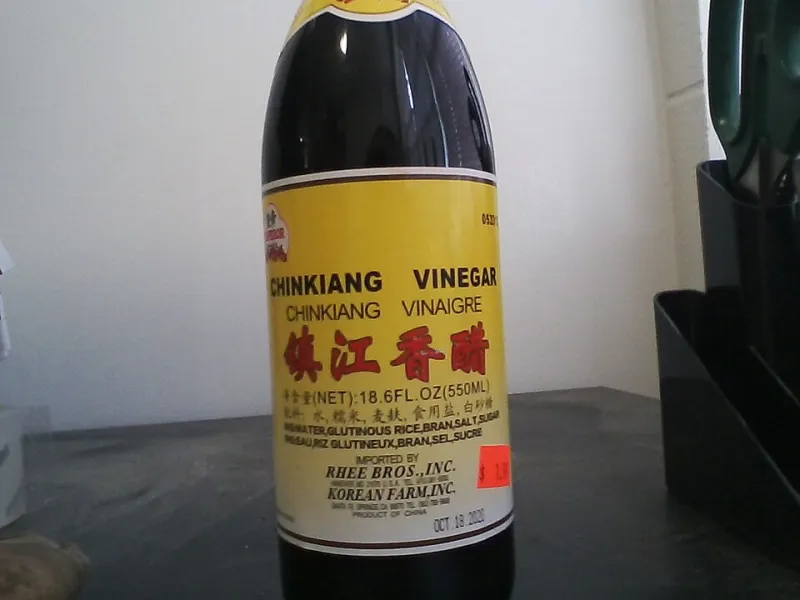
Photo: Wastrel Way, CC BY-SA 4.0, via Wikimedia Commons
Walk down the Asian condiment aisle at any American supermarket and you'll face forty bottles of soy sauce, six kinds of vinegar, and at least one ingredient you're pretty sure is a prank. It's no wonder most people grab the same old bottle and retreat.
Here's the secret Shanghai home cooks have known forever: you don't need forty bottles. You need five. Master these and you can cook the backbone of the Shanghai canon — hongshao braises, drunken dishes, red-cooked pork, smoked fish, noodles for days — without a single packet or sauce jar.
1. Light Soy Sauce: The Salt That Tastes Like More
This is your everyday seasoning, and it's doing far more than adding saltiness. Light soy sauce brings fermented depth — that savory floor under almost every Shanghai dish. American brands like Kikkoman are fine, but if you can find Pearl River Bridge or Lee Kum Kee's premium gold label, the difference is real: rounder, less harsh, more aromatic.
What to skip: "dark soy sauce" as a substitute — they're not interchangeable. Dark soy is a colorant with molasses sweetness; light soy is the actual seasoning. Buy both if you braise (you will), but light soy is the non-negotiable.
2. Shaoxing Wine: The Ingredient People Skip and Regret
If you've ever made a Chinese recipe and thought it tasted... incomplete, you probably skipped the Shaoxing wine. This fermented rice wine does what white wine does for French cooking — deglazing, marinating, mellowing gaminess — but with a nuttier, deeper character.
In Shanghai kitchens it's in everything: marinades for pork chops, the braising liquid for red-cooked chicken, the drizzle into scrambled eggs with dried shrimp. The classic US-available bottle is Shaoxing Hua Tiao cooking wine, found at most Asian groceries and increasingly at mainstream stores. Cooking-grade versions with added salt are fine for the pan; grab a drinking-grade one if you want to sip it alongside dinner.
What to skip: dry sherry is a serviceable emergency substitute, but keep a real bottle on hand. It's eight dollars and lasts months.
3. Black Vinegar (Chinkiang): The Finisher
Made from glutinous rice, Chinkiang black vinegar is malty, faintly sweet, and nothing like the harshness of white vinegar. It's the dip for dumplings, the brightener for braises, the secret splash in hot-and-sour soup. A few drops at the end of a rich, soy-heavy dish cuts through fat like a squeeze of lemon.
The brand to look for is Golden Lion Chinkiang vinegar — it's in nearly every Asian grocery in America and increasingly on Amazon. Once it's on your counter, you'll find yourself reaching for it on salads, roasted vegetables, and anything fried.
What to skip: balsamic. Similar color, completely different soul.
4. Rock Sugar: The Gloss Behind the Glow
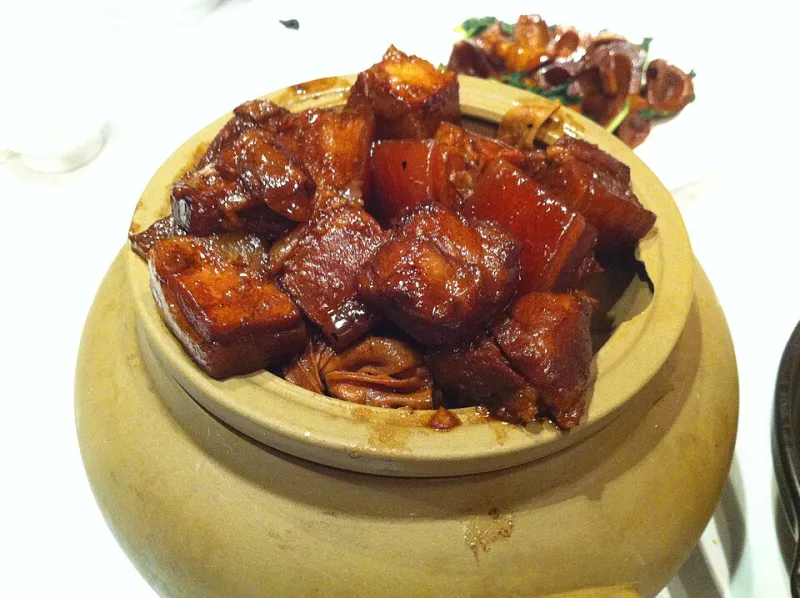
Shanghai cooking is famously a little sweet — hongshao's signature lacquered sheen comes from rock sugar melting into the braising liquid. Rock sugar (bing tang) is less sweet than white sugar by volume and dissolves slowly, which means it colors and glazes rather than just sweetens. It's why red-braised pork belly looks like mahogany.
Find it in the baking or tea section of any Asian market, or online. In a pinch, regular sugar works — use slightly less — but rock sugar gives that clean, glassy finish.
5. Sesame Oil (Toasted): The Last Word
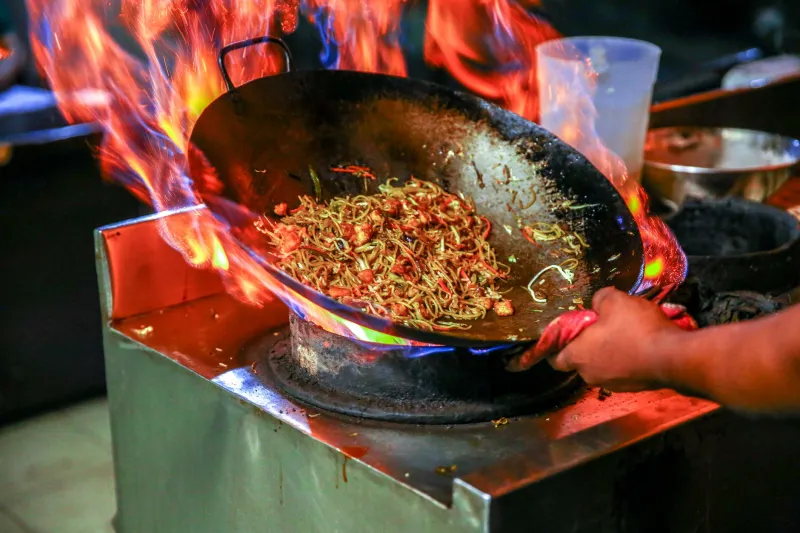
This isn't a cooking oil — it's a finishing oil. Toasted sesame oil goes in at the end of a dish or into cold dressings, never into a screaming-hot wok where it burns and turns bitter. A half teaspoon stirred into a cucumber salad, drizzled over noodles, or whisked into a dumpling sauce is the difference between "homemade" and "wait, what did you order from?"
Look for Kadoya or any bottle labeled "toasted" or "roasted" — unrefined untoasted sesame oil is a different, blander product.
The Whole System
Here's what five bottles buys you: light soy plus rock sugar plus Shaoxing wine is a hongshao braise. Add black vinegar and you have a dumpling dipping sauce. Sesame oil plus vinegar plus soy is a cold-dish dressing for anything. Every combination builds a different dish from the same shelf.
That's the Shanghai approach — not a crowded rack of one-trick sauces, but a small set of foundational bottles that combine into hundreds of meals. Five bottles. One cabinet shelf. Endless dinners.