The Bowl at the Center: How Shanghai Makes Rice the Main Event
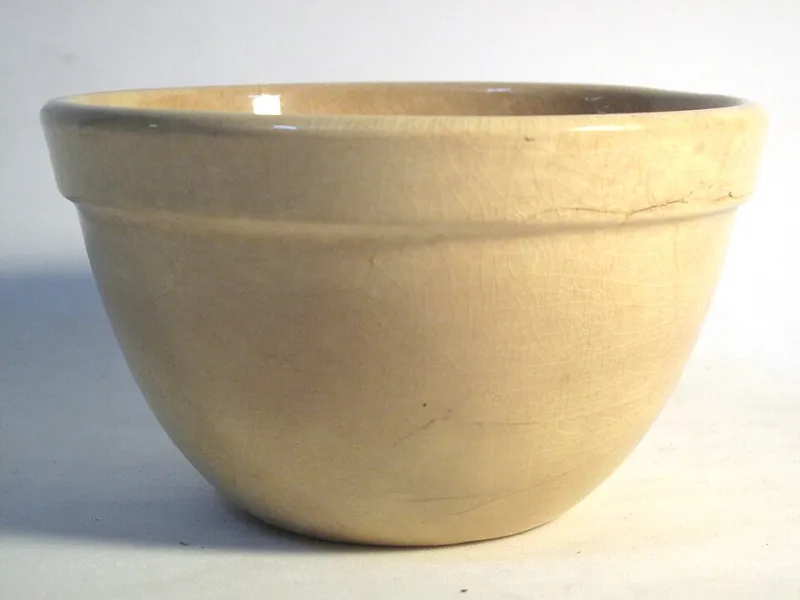
Photo: Crown Lynn Potteries Ltd, CC BY 4.0, via Wikimedia Commons
American dinner plates often give rice a corner. A scoop next to the protein, a bed under a stir-fry, a starchy afterthought cooked from a pouch in ninety seconds. In Shanghai, the bowl of rice is not in the corner. It is at the center of the table, and the rest of the meal is built around it.
That does not mean every Shanghai meal is a rice bowl. Noodles and dumplings have their own place. But when rice is on the table, it is chosen, cooked, and served with intention. The grain matters. The texture matters. The way it catches sauce matters. Rice is not a side. It is the reason the menu makes sense.
Rice Is a Partner, Not Padding
A Shanghai home meal often follows a simple structure: one bowl of rice and several cai, the dishes that accompany it. The rice is mild, but mild is not the same as blank. Its job is to balance salt, sweetness, fat, and acid. A spoonful of red-braised pork needs rice the way a strong cup of tea needs a quiet room. The rice gives the braise somewhere to land.
Once you start thinking this way, rice stops being the thing you add when you need more food. It becomes the thing that decides what you cook. A saucy braise? Rice. A cold cucumber salad with black vinegar? Rice. Garlicky greens with a little pork? Rice. The bowl shapes the menu.
The Varieties Worth Knowing
Shanghai cooking leans toward short-grain and medium-grain japonica rice. It is softer, slightly sticky, and clumps gently in the bowl. That texture is useful. It holds sauce without turning into mush, and it feels comforting without being heavy.
In American supermarkets, look for Calrose, Nishiki, Kokuho Rose, or similar short-grain and medium-grain varieties. These are widely available and affordable. Jasmine rice is fragrant and lovely with some Southeast Asian dishes, but it is less typical for a Shanghai-style table. Glutinous rice is for special dishes, not the everyday bowl. Instant rice and converted rice will work in a pinch, but they will not give you the same tender chew.
Rinse, Then Soak Sometimes
Rinsing rice removes excess surface starch, which helps the grains cook separately instead of gumming together. Put the rice in a bowl, cover it with cool water, swish gently, and drain. Repeat two or three times until the water is less cloudy. You do not need to rinse until it is perfectly clear. A little starch is fine.
For stovetop cooking, a short soak of twenty to thirty minutes can help the grains cook more evenly, especially with older rice. If you are using a rice cooker, follow its instructions and skip the soak unless you are cooking a variety that needs it.
The Stovetop Method That Beats the Pouch
Use a heavy pot with a tight lid. For one cup of rinsed short-grain rice, start with about one and one-eighth cups of water. Bring it to a boil, then reduce the heat to low, cover, and cook for twelve to fifteen minutes. Do not stir. Let it rest off the heat for ten minutes, still covered. Fluff with a paddle or fork and serve.
The exact ratio depends on the rice and the pot, so pay attention to texture rather than treating the number as law. If the rice is too firm, add a splash of water and cook for a few more minutes. If it is too wet, let it rest uncovered for a few minutes.
Let the Bowl Shape the Menu
A rice-centered meal is easy to build. Start with one saucy dish, such as red-braised pork or chicken with soy and ginger. Add one cold or room-temperature dish, like smashed cucumber with vinegar and garlic. Add one green vegetable, quickly stir-fried or blanched with oyster sauce. That is dinner. The rice is not there to fill space. It is there to tie the flavors together.
This is also a smart way to eat leftovers. A little braise, a little pickle, and a fresh bowl of rice can turn yesterday's fragments into a proper meal. The bowl gives structure to whatever is in the fridge.
Three Small Shifts for American Cooks
First, buy better rice. The difference between a fresh short-grain bag and a dusty pantry staple is larger than most people expect. Second, cook a batch and treat it like a real ingredient. Store it properly, reheat it gently, and use it within a few days. Third, stop asking rice to be invisible. Season it lightly, taste it on its own, and notice how it interacts with the rest of the plate.
The Comfort Part
Rice is comforting because it is quiet. It does not demand attention the way a crisp-skinned bird or a fiery chili oil does. But quiet is not passive. A good bowl of rice is warm, tender, and steady. It makes a strong sauce taste more balanced and a simple vegetable taste more complete.
In Shanghai, the bowl at the center is not a decorative choice. It is a practical one, and a generous one. It says that the meal is not only about the loudest dish. It is about everything working together, with rice holding the center.